















































AI-powered traffic lights cut waiting times at intersections
A smart signal system tested in three major cities has reduced waiting times at intersections by an average of 30%. Plans to expand the project are on the table. Drivers say they can already feel the difference.
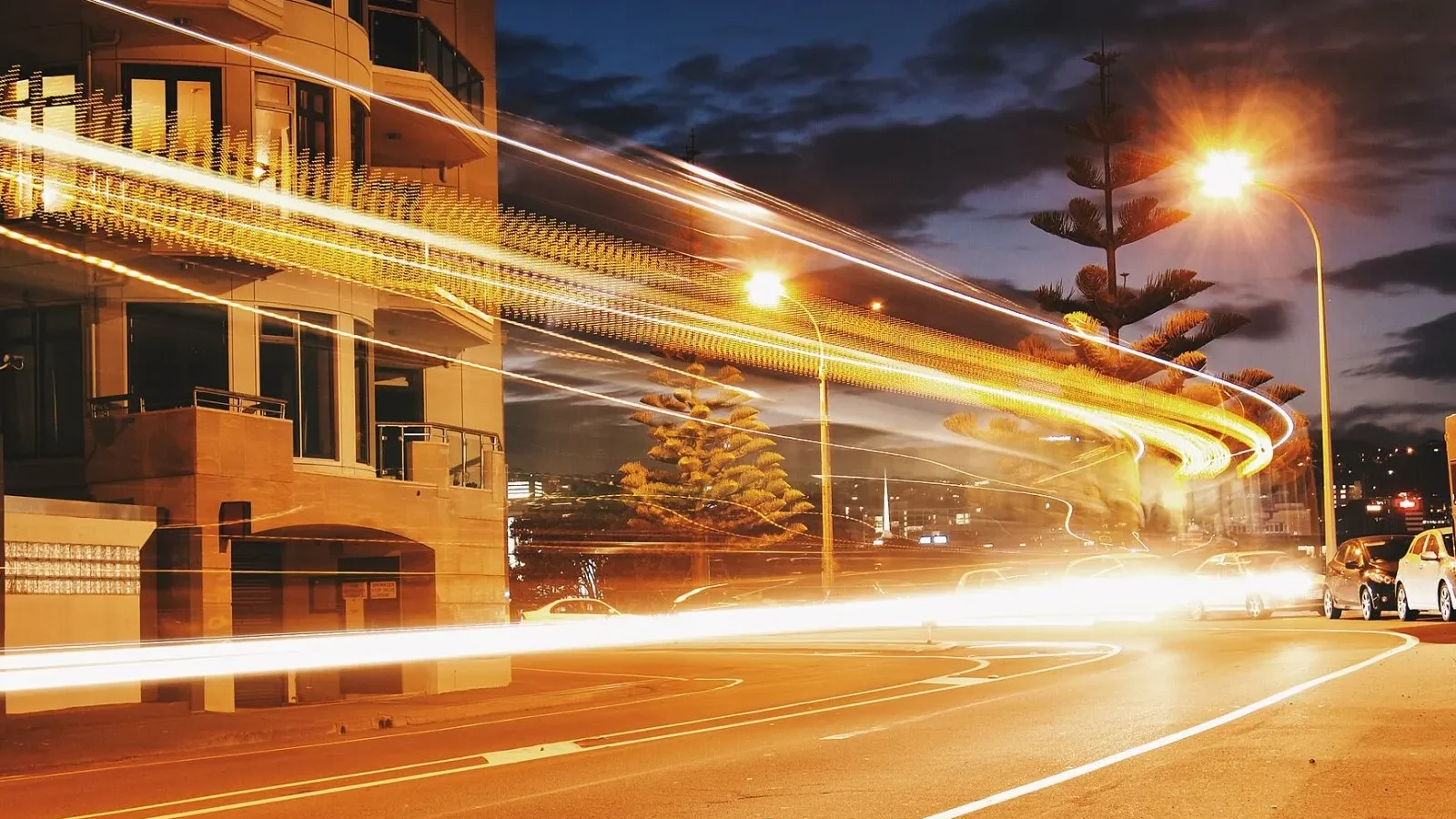
Table of contents
A new era in the fight against traffic congestion is beginning. An AI-powered signal system, tested for six months at busy intersections in three major cities, has cut vehicle waiting times by an average of 30%. The system analyzes data from cameras and road sensors within seconds and adjusts green-light times in real time. In our video, we take a closer look at how it works on the ground.
How do the cameras and sensors work?
At the heart of the smart signal system are cameras installed at intersections and sensors embedded in the road. The devices measure the number of vehicles, waiting times and pedestrian volumes within seconds. The data is fed into an AI model, which recalculates green-light times based on real-time traffic conditions. Fixed-time signals thus give way to an adaptive flow.
The system also gives priority to emergency vehicles such as ambulances and fire engines. When a vehicle's route is reported in advance, a green wave can be created at the relevant intersections. Officials say the process is monitored from a central control room and that, in the event of a fault, the lights automatically switch to a safe mode. The system's software runs in the city's own data center and undergoes regular security testing.
The lights now follow the traffic, not the clock.
Mark Ellison
Promising early results
At the end of the six-month trial, average waiting times at intersections fell by 30%. Queues were markedly shorter at peak times, and congestion at intersection exits eased. City officials say shorter waits have also reduced exhaust emissions and improved fuel consumption. According to the measurements, the biggest improvement was recorded at busy intersections in the evening and at junctions with a high share of turning traffic.
Drivers also say they can feel the difference. Shuttle drivers report getting through intersections faster during the morning and evening rush, and pedestrian crossing times are said to be better balanced too. Officials announced that the project's results will also be assessed by an independent university team and that the report will be made public. The experience gained during the trial will also be turned into a guide for adapting the system to intersections in other cities.
Privacy concerns
As with any project that uses cameras, privacy concerns are also on the agenda. Officials stated that the system does not perform license plate or facial recognition, and that footage is processed in real time solely to count vehicles and is not recorded. They stress that the data collected is anonymized so that it cannot be traced back to individuals. Officials also emphasize that the footage is processed on the device itself and is not sent to the cloud.
| Topic | Technology |
|---|---|
| Highlights | artificial intelligence, traffic, transport |
| Reading time | 5 minutes |
| Written by | Mark Ellison |
Key takeaways
- Camera and sensor data adjust green-light times in real time.
- Waiting times fell by an average of 30% in three major cities.
- Officials say the system does not use license plate or facial recognition.
Rights groups, however, believe such systems should be subject to independent oversight before they are rolled out more widely. Technology experts say that openly sharing data retention periods, access permissions and security tests with the public would boost trust. The project's leaders said that, in line with the principle of transparency, all processes would be documented and published. Data protection principles are also set to be spelled out in the draft legislation to be prepared for the wider rollout.
What do you think about this post?
Leave a comment