

























































Flu season arrives early: family doctors report a surge in patients
With cold weather arriving early, respiratory infections are on the rise. Doctors are urging people in at-risk groups not to put off getting vaccinated.
Table of contents
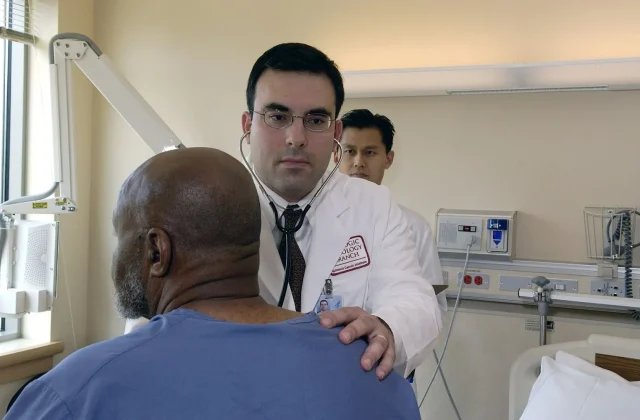
With the early autumn cold, cases of flu and other respiratory infections are rising sharply. Family doctors say the number of patients visiting their practices has increased over the past two weeks, with fever and coughs especially common among children. Infectious disease specialist Dr. Gary Avery stresses that people over sixty-five, those with chronic illnesses and pregnant women should not delay their flu shot. Avery advises patients whose fever will not come down or who are short of breath to seek medical care without delay. In schools, airing classrooms regularly is important.
What are the symptoms?
Flu symptoms usually include a sudden high fever, chills, muscle and joint pain, a cough and fatigue. It tends to come on more suddenly than a cold and can cause exhaustion that leaves you bedridden, which helps tell the two apart. In children, a fever may also be accompanied by loss of appetite and irritability. Although symptoms usually ease within a week, fatigue can last longer, so it is advisable to allow time for rest.
Doctors say symptoms often clear up on their own with rest and plenty of fluids, but that people in at-risk groups should be monitored closely. Decisions about medication and treatment should always be made after a doctor's assessment; taking antibiotics on your own does not help with viral infections such as flu. Experts point out that resting at home also reduces the risk of passing it on to others.

Flu is not just a common cold; people in at-risk groups should take it seriously.
Sarah Bennett
Who should get vaccinated first?
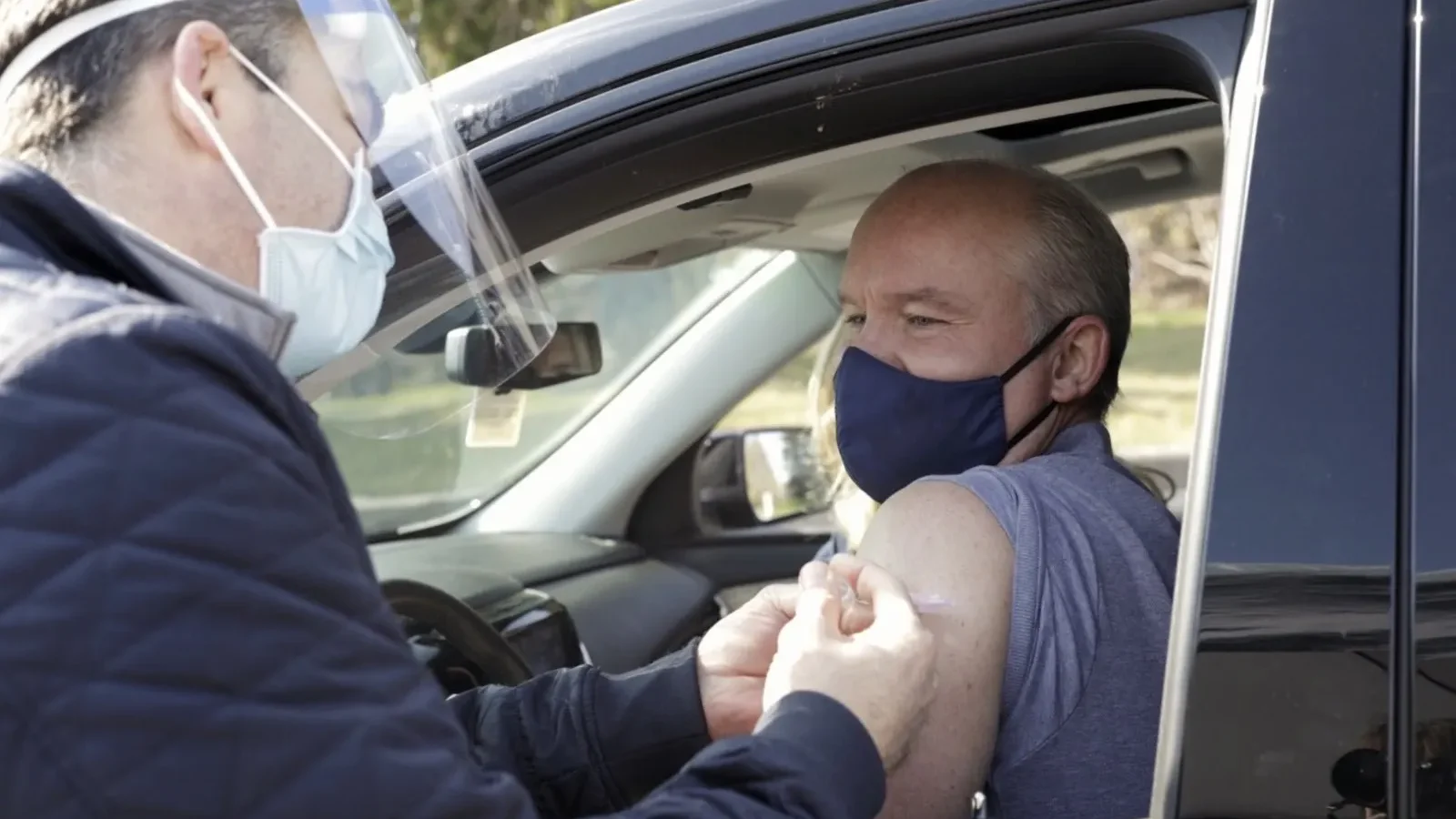
Infectious disease specialist Dr. Gary Avery says people over sixty-five, those with chronic illnesses, pregnant women and young children should talk to their doctor about vaccination. He notes that the vaccine may not prevent the illness entirely but helps reduce the risk of severe illness. It is also important for health workers to be vaccinated. Because age, medical history and allergies all matter when deciding on vaccination, the decision should be made together with a doctor.
Vaccination appointments are available at family health centers and hospitals. Officials point out that the vaccine takes a few weeks to take effect, so it should be given before the season peaks. Mild soreness or a low fever may occur after vaccination; if any serious symptoms develop, you should see a doctor. Washing your hands, wearing a mask in crowded indoor spaces and covering your mouth when you cough are also simple steps that reduce the risk of infection.
Precautions for schools
In schools, it is recommended that classrooms be aired regularly, that attention be paid to hand hygiene and that sick students rest at home. Teachers and parents should work together to keep children with a cough or fever home from school. School administrators have stepped up cleaning of shared areas and started giving students hygiene lessons. For children being cared for at home, keeping track of their temperature and fluid intake helps monitor how symptoms develop.
| Topic | Health |
|---|---|
| Highlights | vaccine, hospital, breaking news |
| Reading time | 4 minutes |
| Written by | Sarah Bennett |
Key takeaways
- Sudden fever, coughing and muscle aches are among the symptoms of flu.
- People in at-risk groups should talk to their doctor about vaccination.
- Seek medical care immediately if you are short of breath or your fever will not come down.
Patients whose fever will not come down, who are short of breath, who have chest pain or who show changes in consciousness should seek medical care without delay. For patients staying at home, drinking plenty of water, resting and airing the room can help. This article is for general information only; always consult a doctor about your own treatment.
What do you think about this post?


Leave a comment