










































“Health is the shared responsibility of society, not just the system”
Public health expert Prof. Helen Carver highlighted the importance of preventive medicine and the role of public trust in tackling vaccine hesitancy. Carver says individual awareness is essential.
Public health expert Prof. Helen Carver highlighted the importance of preventive medicine and the role of public trust in tackling vaccine hesitancy. Carver says individual awareness is essential.
Table of contents
Speaking at a panel discussion, Prof. Helen Carver, who has more than thirty years of experience in public health, said preventive care has been overshadowed by a hospital-centered approach. Carver stressed that rebuilding trust in vaccination programs requires scientific data to be shared transparently and in a way people can understand. We bring you the most striking part of her talk.
Why is preventive medicine neglected?
In her talk, Prof. Helen Carver said health services have for years been planned around treatment, even though preventing illness is more valuable in both human and budgetary terms. According to Carver, areas such as family medicine, school health and workplace inspections do not get the priority they deserve. Doctors on the panel made similar observations.
The speaker cited the fact that results take a long time to show as one of the reasons preventive medicine is neglected. Because the benefits of a vaccination campaign or a lifestyle program only become apparent years later, they do not get enough space in budgets or on the agenda. Carver stressed that measurable targets and regular reporting are essential to changing this mindset.
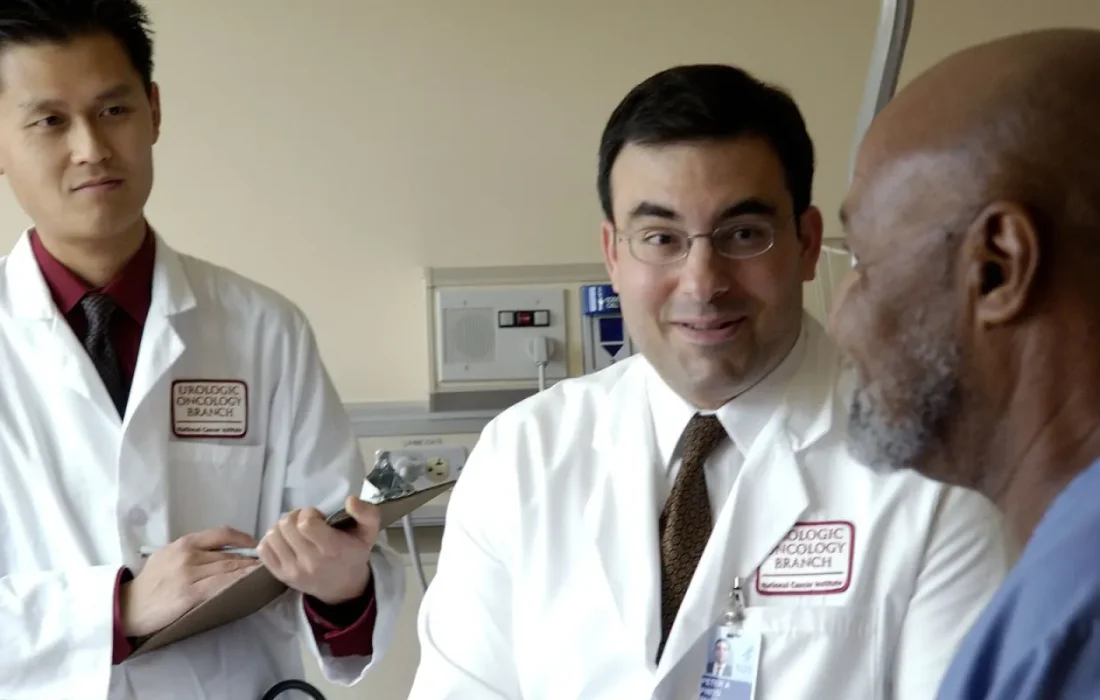
Health is the shared responsibility of society, not just the system.
Sarah Bennett
Tackling vaccine hesitancy
On vaccine hesitancy, Carver said most hesitant people are not against vaccines but simply cannot find accurate, understandable information. She said scientific data should be shared in plain language, with sources clearly cited. She added that the trust family doctors build with their patients is the most important resource in this respect. Carver also said health literacy should be built more firmly into the school curriculum.
Fighting misinformation requires rebuilding public trust. Carver said false information spreads quickly on social media, but corrections do not spread at the same speed. She stressed that health institutions must communicate openly, listening to and answering questions and accepting criticism, and that officials and the media also bear responsibility in this process. A family doctor who spoke on the panel backed this view, saying that allowing enough time for consultations would increase trust.
What individuals can do
Listing what individuals can do, Carver highlighted the importance of regular check-ups, sticking to the vaccination schedule and healthy habits. She said simple habits such as a balanced diet, regular exercise and enough sleep help prevent many health problems in the long run. She added, however, that none of these are a guarantee for anyone and that people should see a specialist when problems arise.
| Topic | Health |
|---|---|
| Highlights | vaccine, hospital, university |
| Reading time | 4 minutes |
| Written by | Sarah Bennett |
Key takeaways
- Carver said preventive medicine has been neglected because of a hospital-centered approach.
- Transparent, understandable information is recommended to counter vaccine hesitancy.
- Health is a shared value owned jointly by individuals and institutions.
Touching on community solidarity, Carver said good relations between neighbors and neighborhood health events support older people living alone and those with chronic illnesses. She ended her talk with the message that health is a shared value that must be owned not only by hospitals but by schools, councils, workplaces and families together. Participants agreed that local health services and civil society need to come together more often to put this approach into practice.
What do you think about this post?


Leave a comment