














































The 5G rollout speeds up: when will it reach your city?
As carriers firm up their rollout schedules, the first coverage areas are going live in major cities. We explain how to find out whether your current phone supports 5G.
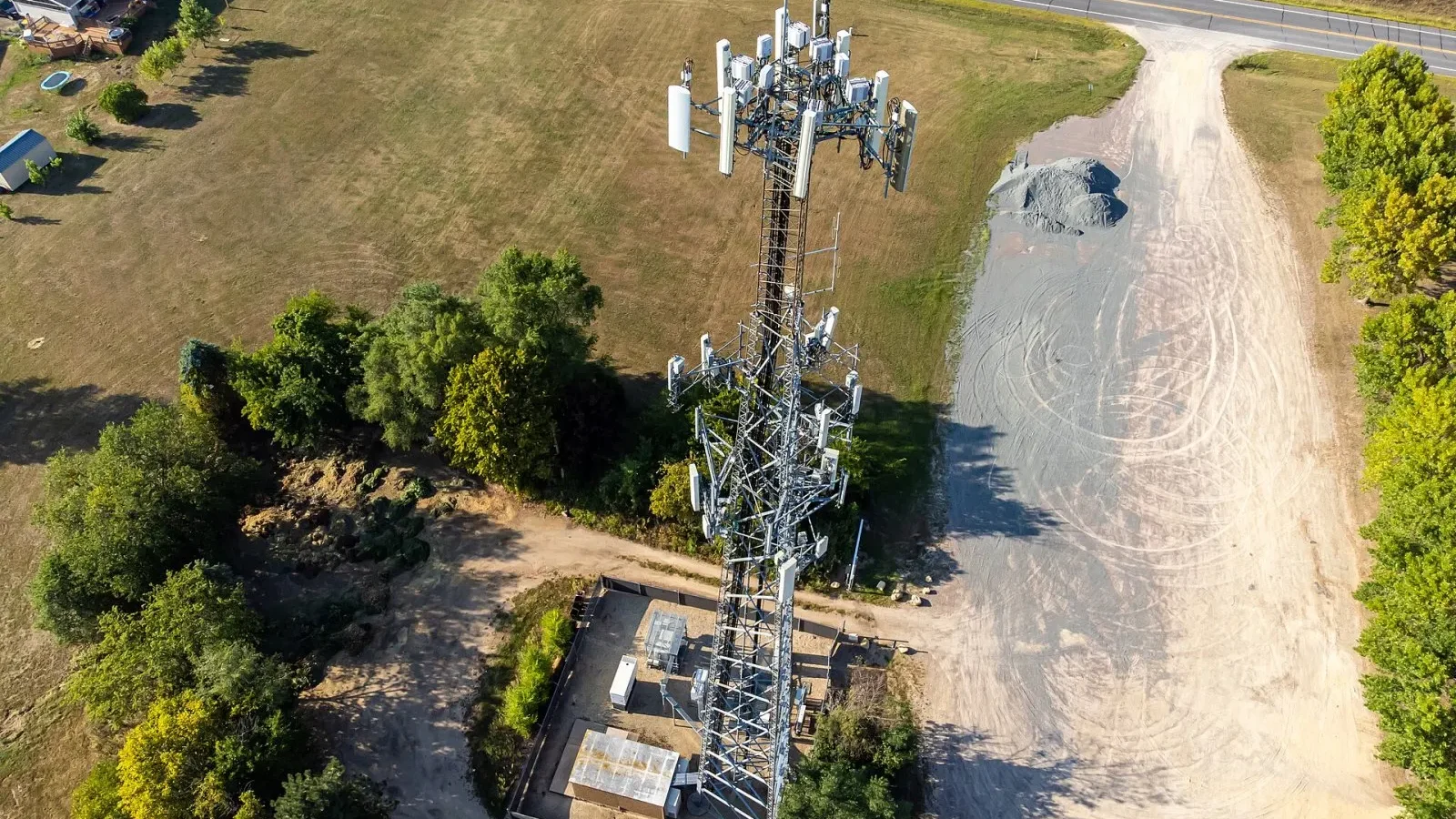
Work on the ground is picking up pace as the switch to next-generation 5G mobile technology gets underway. In the first phase, carriers are upgrading base stations in busy areas of major cities to the new technology. Experts say 5G means more than just faster internet, opening up new possibilities in many areas, from smart city applications to remote healthcare. Users, meanwhile, need to check which frequency bands their devices support. Our guide answers all the most common questions.
Rollout timeline
According to the rollout schedule announced by the carriers, the first phase covers central districts, business districts and university areas in major cities. Upgrading base stations and connecting them to fiber infrastructure will take several months. Test broadcasts have already begun in some cities, and users in some areas have started to see the 5G icon. Carriers say they are carrying out installation work at night so that users do not experience outages.
The second phase is expected to include mid-sized cities and tourist areas. A longer timeframe is planned for rural areas. Industry representatives say coverage maps on carriers' websites will be updated regularly and that customers will be able to check their own address. Because each carrier presents coverage information differently in its own app, it is worth comparing several sources.
5G will change how cities work more than how fast the internet is.
Mark Ellison
Does my phone support 5G?
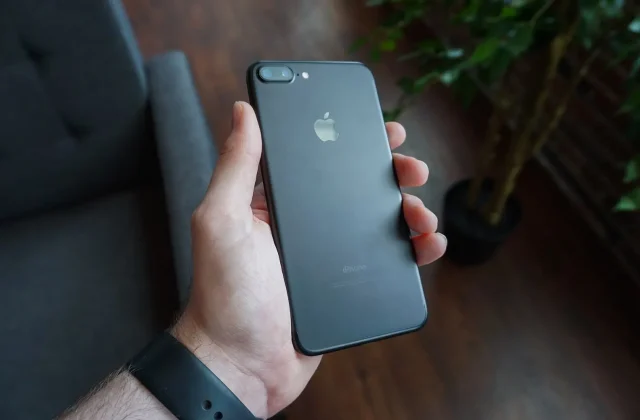
The easiest way to find out whether your device supports 5G is to check the manufacturer's spec sheet. You can also check whether 5G appears among the network options in your phone's settings menu. The frequency bands your phone supports must match those used by your carrier, so simply looking for a 5G label may not be enough. On much older devices, it is generally not possible to add this feature later through a software update.
Your SIM card also needs to be 5G-compatible. Most carriers offer customers a free SIM swap, although you may need to request one. Keeping your device's software up to date can also affect connection quality. Experts advise anyone buying a new phone to confirm compatibility with store staff before purchase. For some users, a wireless router can also be an alternative for home internet.
What it means for your plan
On pricing, carriers say most existing plans will include 5G in the initial period, while some high-speed plans may come at an extra cost. Promotions may include different data allowance options to attract early adopters. Consumer groups recommend reading contract terms and commitment periods carefully. Carriers are expected to announce details of 5G-specific promotions in the coming weeks, so it may pay to compare prices without rushing.
| Topic | Technology |
|---|---|
| Highlights | artificial intelligence, electric vehicles, cybersecurity |
| Reading time | 6 minutes |
| Written by | Mark Ellison |
Key takeaways
- The first coverage areas are going live in the central districts of major cities.
- Your phone's frequency bands and SIM card must be 5G-compatible.
- Many existing plans will also include 5G use.
The lower latency and higher capacity that 5G brings promise new possibilities in many areas, from smart city applications to remote healthcare. However, experts say it will take time for these benefits to reach the daily lives of most users, and that the real transformation will come as network investments are completed. This transformation is expected to be felt earlier in business applications than by individual users.
What do you think about this post?


Leave a comment