






























































The race back to the Moon heats up: How next-gen rockets are changing space travel
Reusable rockets and new landers are accelerating humanity's plans to return to the Moon. In our video, we explain the technology behind it.
Table of contents
More than half a century has passed since humans last set foot on the Moon. Today, both government agencies and private companies are developing next-generation rockets and landers to return to the Moon for good. Reusable rocket technology has cut launch costs and opened the door to a new era of space exploration. Yet challenges such as landing safely on the dusty lunar surface, shielding against radiation and providing long-term life support still need to be solved. In our video, we explain the technical details of this race and the critical missions of the coming years in plain language.
The reusable rocket revolution
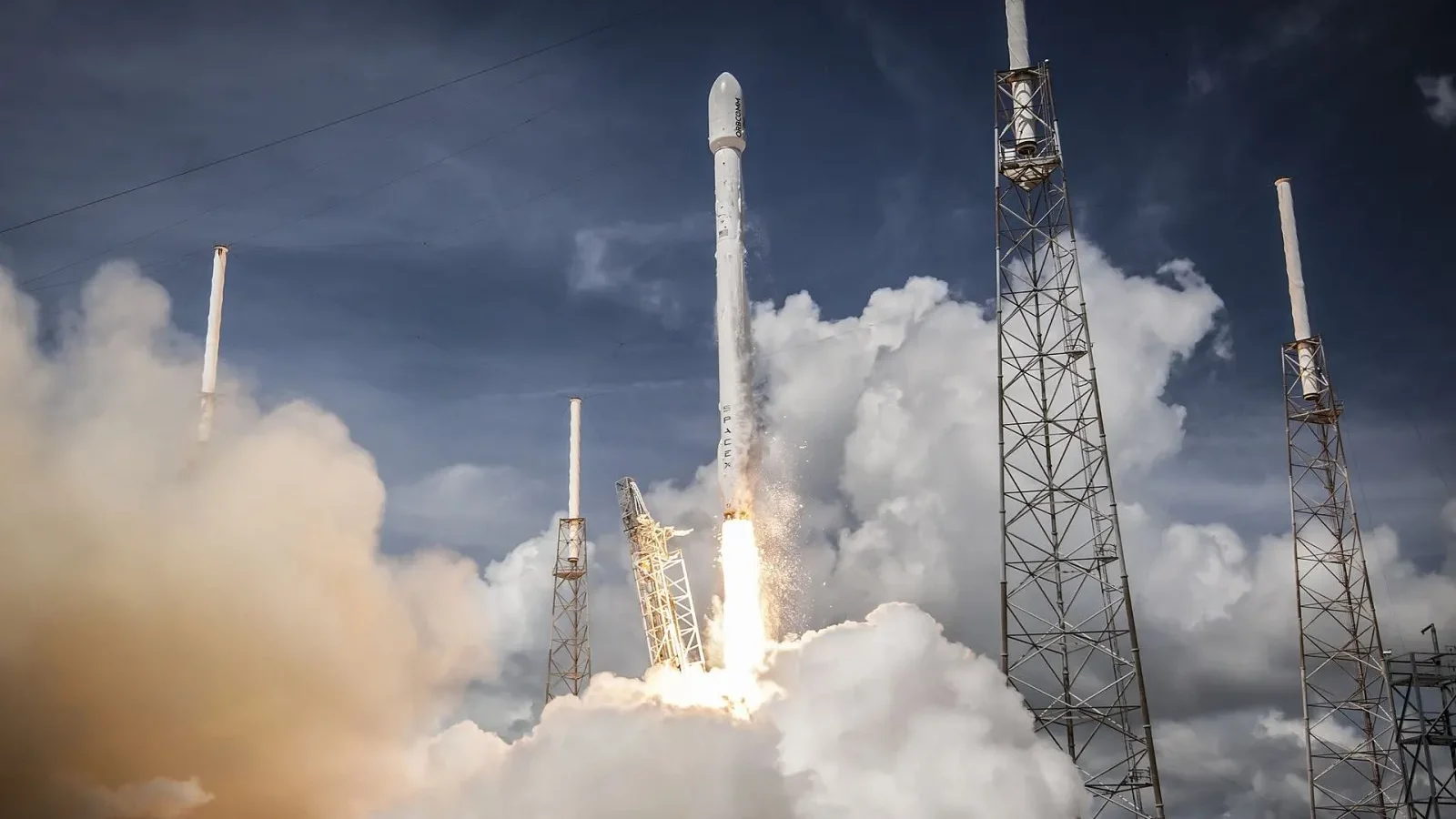
The core idea behind reusable rocket technology is simple: if we don't throw away an airplane after every flight, why throw away a rocket? First stages designed with this approach reignite their engines after completing their job and land vertically on the launch pad or on a platform at sea. The data gathered from each landing feeds into the design of the next rocket.
The impact shows up in the costs. The price of putting a kilogram of payload into orbit has fallen to roughly a tenth in recent years. With launch rates also climbing, agencies and private companies can plan bolder missions. But reuse isn't always easy: heat shields, engine refurbishment times and maintenance costs are still the main focus for engineers.
Returning to the Moon will be the dress rehearsal for the journey to Mars.
Ethan Brooks
The challenges of landing on the Moon
Landing on the Moon is a different job from landing on planets with an atmosphere. With no air friction to help, the spacecraft has to do all of its braking with its own engines. In the final minutes of the descent, a very delicate balance must be struck between mass, speed and the amount of fuel; a small mistake can cause the lander to tip over. These calculations leave no room for error, not even a delay of a tenth of a second.
Moon dust is also a serious problem. These fine particles, irregular, sharp and electrically charged, are kicked up during landing and can blind cameras and sensors. That's why engineers are developing software that detects obstacles automatically and engine layouts that reduce the effect of the dust. Shadowed craters in the polar regions, meanwhile, stand out as targets both because they may hold water ice and because of their extreme cold.
A Moon base: Dream or reality?
A permanent Moon base may sound like science fiction today, but the plans are becoming increasingly concrete. In the proposed designs, a crew of a few people will live in modules half-buried in the surface, with lunar soil used as a protective layer against radiation. Solar power and nuclear power units are being considered together to get through the two-week lunar night.
| Topic | Science & Space |
|---|---|
| Highlights | space, science, rocket |
| Reading time | 7 minutes |
| Written by | Ethan Brooks |
Key takeaways
- Reusable rockets have dramatically lowered the cost of putting payloads into orbit.
- Moon dust, fuel balance and polar craters make landing missions harder.
- A Moon base will serve as a rehearsal and technology testbed for the journey to Mars.
The biggest question is who will fund it and how. Joint international projects, logistics services from private companies and scientific stations look set to complement one another. Experts see a Moon base less as a goal in itself and more as a dress rehearsal and technology testbed for the journey to Mars. Life support, water recovery and emergency procedures will all be tested there.
What do you think about this post?
Leave a comment