




























































Pit lane strategy: how do you win with a three-second tire change?
A pit stop can change the outcome of a race in two seconds. In our video we examine the pit crew's choreography, undercut and overcut tactics, and the risk of error.
Table of contents
In modern racing, the pit lane is as important a battleground as the track itself. Tire changes now take less than three seconds, yet a single wheel-nut mistake can wreck an entire strategy. In this video we take a close look at the pit crew's practice sessions, the radio exchanges and the numerical models of the engineers on the pit wall. Our aim is to show the effort behind the brief moment viewers see on screen.
The hidden choreography of a 20-person crew
The crew working a pit stop numbers as many as 20 people. Four change the wheels, one adjusts the front wing, another holds the car on the jack and the person giving the signal tells the driver when to go. The time for each task is recorded down to the millisecond. That way, no move is left to chance, and even the smallest delay is spotted and corrected right away.
Preparation starts weeks before the race at training facilities. Crew members work through fixed sequences of moves and backup scenarios. Because a wheel nut may come off more slowly in extreme cold or rain, the mechanics set specific speed targets for different conditions and constantly refine them with video analysis. As a result, on race day the pit stop isn't a surprise but a ritual rehearsed over and over.
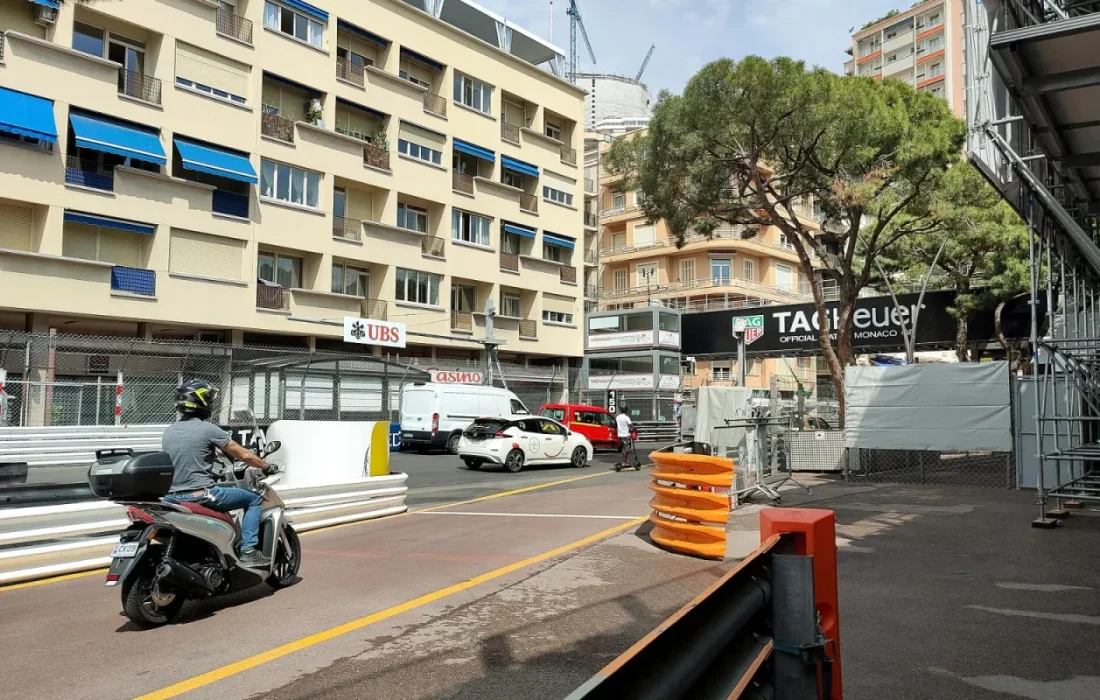
In the pit lane it's milliseconds, not seconds, that count, and mistakes are never forgiven.
Jake Morales
Undercut or overcut? The timing call
The undercut is the tactic of pitting before a rival and setting fast laps on fresh tires. The overcut aims to get past a rival by delaying the pit stop and holding pace in clean air. Which one works depends on how quickly the tires wear and the traffic a driver will face on pit exit. Engineers compare the two options in seconds using simulations. The strategy engineer on the pit wall constantly reruns the calculation with data updated every lap.
Driver feedback also matters in this decision. If a drop-off in the tires is felt, the driver reports it immediately over the radio and the plan is updated. A safety car or virtual safety car, meanwhile, rewrites the equation from scratch, because during these periods the cost of a pit stop falls sharply and rivals may all want to come in at once. This uncertainty means strategy meetings always have to keep more than one backup plan ready.
How a slow pit stop can end a race
A slow pit stop doesn't just mean lost time. The driver may get caught in traffic on pit exit, the tires may stay cold and a position may be lost to the rival behind. That's why teams use critical wheel-nut sensors and light-based confirmation systems to reduce the chance of error. With such a narrow margin for error, teams watch the footage frame by frame after every race to pinpoint shortcomings.
| Topic | Motorsport |
|---|---|
| Highlights | Formula 1, comparison, road test |
| Reading time | 5 minutes |
| Written by | Jake Morales |
Key takeaways
- A 20-person crew can change tires in under three seconds.
- The undercut-or-overcut call depends on tire wear and traffic.
- Speeding in the pit lane can bring a race-ending penalty.
Safety matters as much as speed. There's a speed limit in the pit lane, and breaking it can lead to a drive-through penalty. These penalties often decide the outcome of a race. So the best crews aim to work consistently and safely before trying to be faster than their rivals; the real gains come from that discipline. This approach brings out details that escape viewers' eyes but make a real difference in the points table.
What do you think about this post?
Leave a comment