
























































Shopkeepers’ winter worries: Stores squeezed between rent and energy bills
Neighborhood shopkeepers are struggling to stay afloat in the face of rising shop rents and winter energy bills. Our bureaus listened to small business owners in several cities.
Table of contents
The corner grocers, tailors, cobblers and stationers that neighborhoods can't do without are bracing for a tough winter. Rising shop rents over the past year, combined with higher energy bills in the winter months, have made the burden on small businesses even heavier. Ray, a tailor who has worked on the same corner for forty years, says his customers haven't dropped off but his earnings are struggling to cover his costs. Trade associations are calling for more affordable financing for small businesses. Experts, meanwhile, highlight how important neighborhood shops are to the social fabric of our cities.
Where shop rents stand
In our reporting from the capital to the coast and from the north to the south, the common complaint was rising rent. Long-standing tenants are facing unexpectedly steep increases when their leases are renewed. Corner grocers, stationers and tailors say they haven't lost customers, but their earnings aren't enough to cover the rent. Some shopkeepers are thinking of downsizing and moving somewhere cheaper. For shopkeepers, every new lease means uncertainty.
Property owners, for their part, say taxes and maintenance costs have risen and they struggle to keep rents below a certain level. Trade associations propose setting up a mediation mechanism that listens to both sides. They stress that the issue is not just about the rent figure but also about neighborhood ties built over years on the same street. While these talks may not produce solutions in the short term, they give both sides a chance to understand each other.
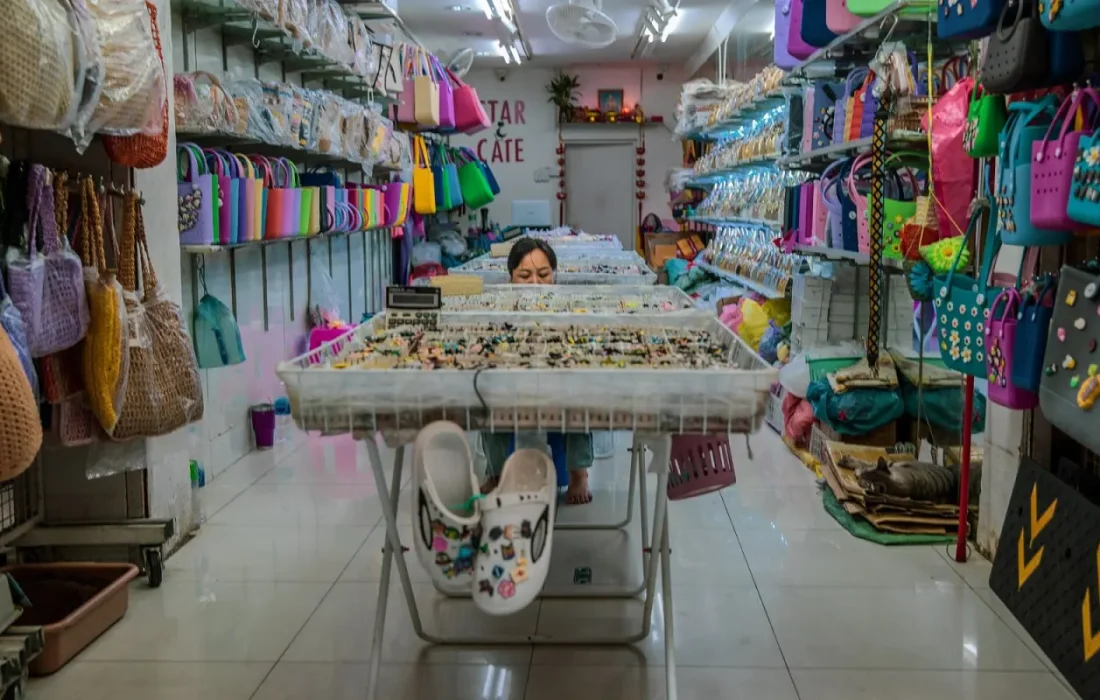
Even switching on the shop lights takes careful budgeting now.
Mark Ellison
Dreading the winter bills
Heating and lighting costs go up in the winter months. The owner of a fabric shop says his gas bill doubles compared with summer, so he turns the heating down in the mornings and evenings. He knows customers won't walk into a cold shop, but he can't afford the bill either, so he tries to strike a balance. Shopkeepers carefully work out the cost of staying open even on the longest nights of the year.
Small energy-saving fixes, such as sealing the gap under the door or switching to LED lighting, cut costs somewhat. But in older buildings with structural problems, these measures fall short. Shopkeepers are hoping for a special discount or installment plan on energy bills for small businesses. Some trade associations have started buying energy together to bring costs down.
What trade associations are asking for
Trade associations are calling for low-interest loans, tax deferrals and rent support for small businesses to be introduced before the new year. Association heads point out that when a shopkeeper closes up, it's not just their own family that loses out, but the whole neighborhood. Some councils are known to offer shopkeepers special discounts on rent and fees. A meeting with the relevant ministry is expected next week to put these measures into practice.
| Topic | Economy |
|---|---|
| Highlights | rent, inflation, city council |
| Reading time | 6 minutes |
| Written by | Mark Ellison |
Key takeaways
- Rising shop rents are neighborhood shopkeepers' biggest complaint.
- Winter energy bills add to the burden on small businesses.
- Trade associations are calling for loans, tax deferrals and rent support.
Ray, who has worked as a tailor on the same corner for forty years, says the trust he has built with his customers is worth more than anything. He recalls that a neighbor closed his shop last month and the feel of the street changed overnight. According to experts, neighborhood shops are among the most important things holding together a city's social fabric, and they need support. That's why protecting them is seen as not just an economic issue but a cultural one too.

2 Comments
Really useful piece, thank you for putting it together.
I had never thought about this side of it. Looking forward to a follow-up.