








































Coding and robotics in middle school: How project-based learning works in the classroom
Projects built with simple circuit boards and sensors teach students problem-solving. We have gathered teachers' classroom experiences.
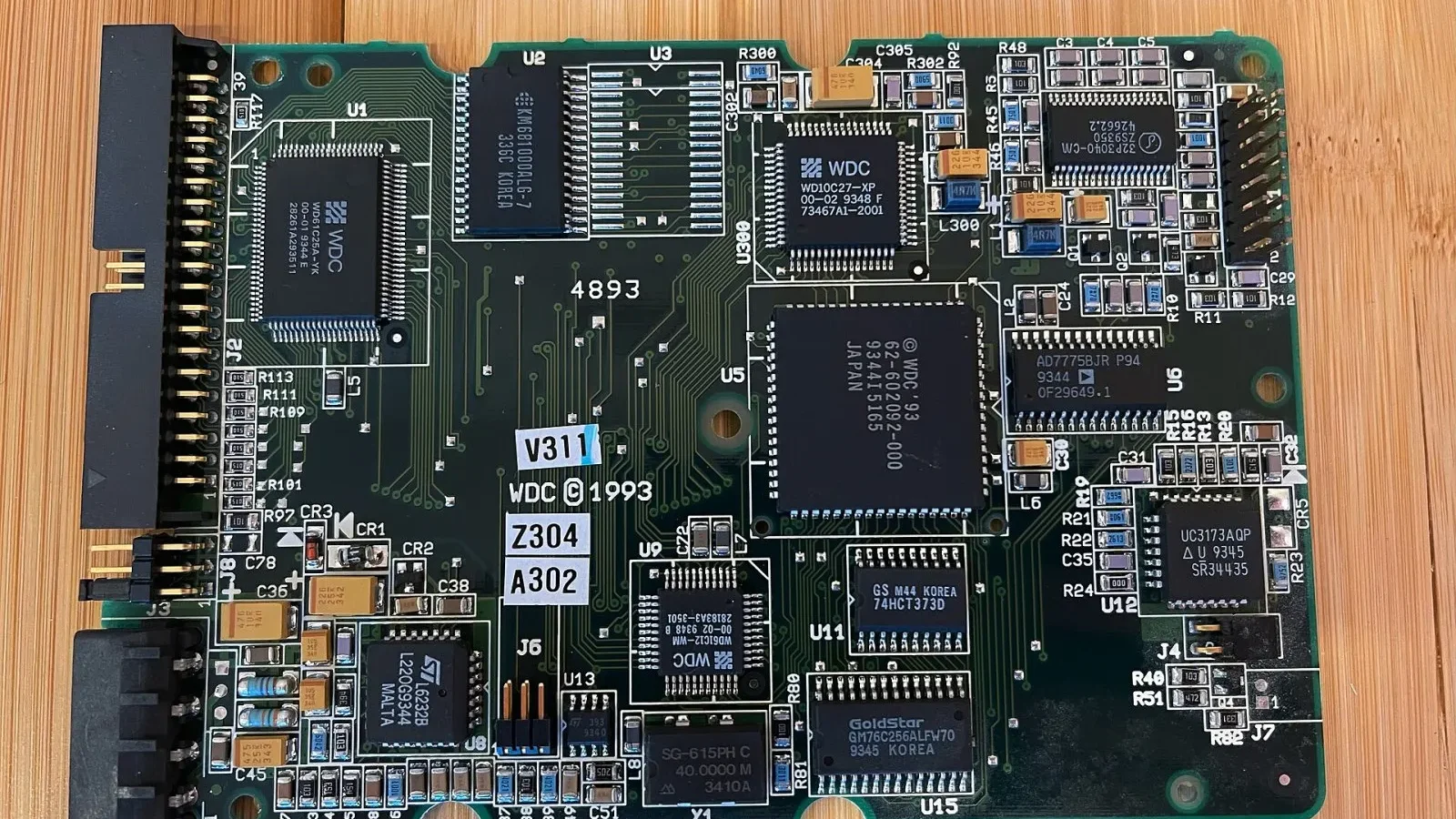
Table of contents
In recent years, coding and robotics have found their way into many middle school classrooms through electives and club activities. As students design their own projects with simple circuit boards, sensors and motors, they gain not only programming skills but also problem-solving, teamwork and learning from mistakes. The computer science teacher at the fictional Oak Hill Middle School describes how students spent the semester designing an automatic watering system for the school garden. In this article we look at how to build a project-based semester plan, ways to set up a makerspace on a limited budget and teachers' professional development needs in this area. Comments from students and teachers appear at the end of the article.
From screen to workshop
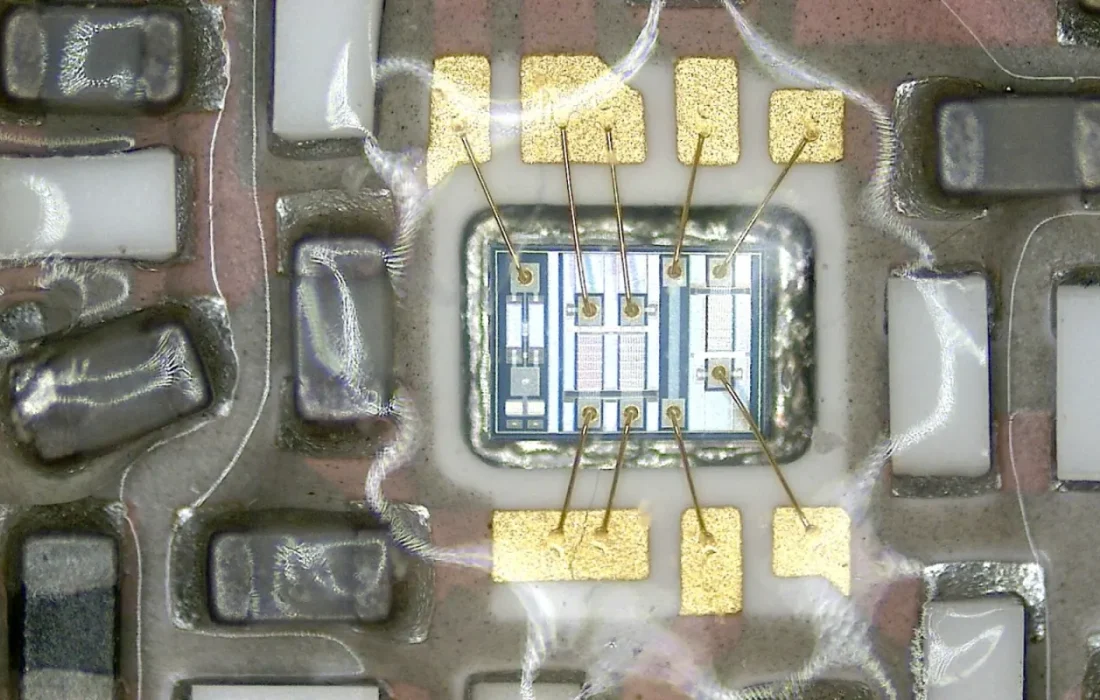
For a long time, coding education was seen as an activity carried out in front of a computer screen. In recent years, however, simple circuit boards, sensors and small motors have let students see directly how the code they write affects the physical world. The computer science teacher at the fictional Oak Hill Middle School says that even the first piece of code that makes a light blink sparks huge excitement in students. This hands-on experience makes abstract concepts easier to grasp and keeps curiosity alive.
The makerspace also sets the stage for students to learn by making mistakes. A circuit that won't work or a motor that doesn't turn the expected way leads students to look for the source of the problem and try different solutions. The teacher stresses that this process teaches students patience, systematic thinking and teamwork. Seeing concepts learned in math and science put into practice in these projects also strengthens students' connection to those subjects. Cross-curricular links make learning more meaningful.
A circuit that doesn't work is the teacher that gives a student the best lesson.
Sarah Bennett
A project-based semester plan
The project underway this semester at Oak Hill Middle School is designing an automatic watering system for the vegetable beds in the school garden. Students are working on a system that reads data from soil moisture sensors and runs a small pump when needed. The project follows a semester plan made up of research, design, build and test phases. At the end of each phase, students present their work to classmates and get feedback. These presentations also develop communication skills.
The teacher believes the success of a project-based semester plan depends on a good starting question. Having students try to solve a real problem noticeably increases motivation. Keeping the plan flexible is also important, because projects often head in unexpected directions. The teacher holds a short review meeting each week to track each group's progress and offer support when needed. A small exhibition at the end of the project lets students share their work with parents and brings a lively atmosphere to the school.
Assessment, equity and teacher training
Assessment in project-based learning calls for a different approach from traditional exams. The teacher explains that she evaluates students' project journals, contributions within the group, presentations and final product together. This way, not just the result but also the effort and learning shown throughout the process become visible. Having students assess their own work and their groupmates' contributions also stands out as a practice that builds self-awareness. As a result, each student's contribution becomes visible regardless of the product's success.
| Topic | EdTech |
|---|---|
| Highlights | digital learning, teacher, AI |
| Reading time | 6 minutes |
| Written by | Sarah Bennett |
Key takeaways
- Projects with circuit boards and sensors turn code into a hands-on experience.
- A project plan that starts from a real problem boosts student motivation.
- On a limited budget, recycled materials and shared kits do the job.
Equity is also an important part of the conversation. Material costs can make it hard for every school to set up such a workshop. The teacher says recycled materials, support from the parent-teacher association and shared equipment kits help when starting on a limited budget. It is also often stressed that teachers need hands-on professional development programs to build their skills in this area. Sharing experience with colleagues is seen as one of the most valuable resources for teachers who are just starting out.
What do you think about this post?


Leave a comment