































































Table of contents
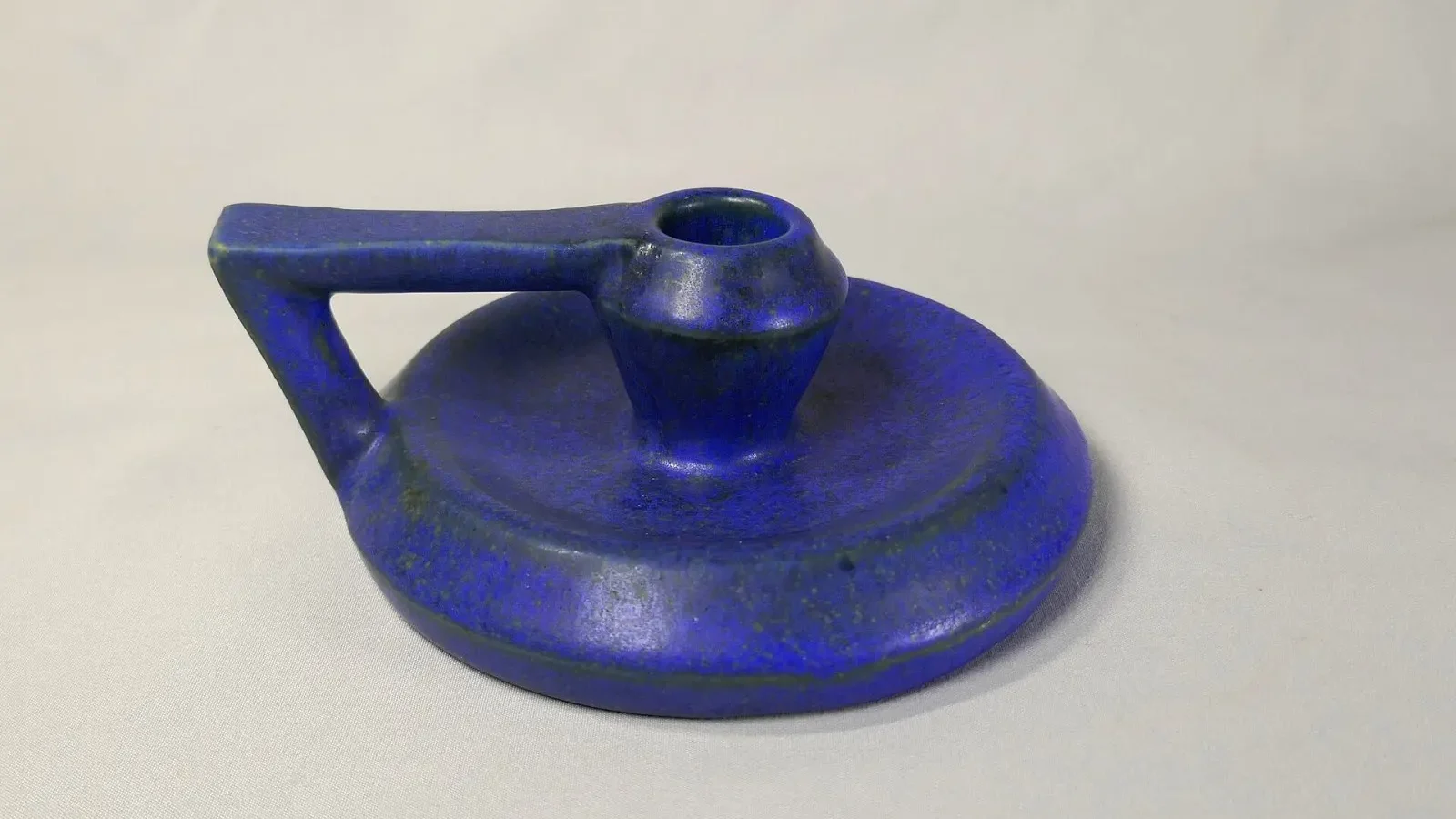
In ceramics, the glaze determines the color and texture a piece reveals when it comes out of the kiln. Yet the same glaze can give unexpected results depending on the kiln temperature, firing time and type of clay. Ceramic artist Freya Ulrich shared the color experiments she runs in her studio with hundreds of small test tiles. For Ulrich, this uncertainty is exactly what makes ceramics both challenging and captivating.
What is a glaze, and how does it work?
A glaze is a thin layer of glass that melts onto the surface of a ceramic piece in the kiln. A mix of silica, alumina and fluxing oxides, the glaze fires at high temperature to create a glossy, matte or textured surface. Freya Ulrich explains that the metal oxides in a glaze provide the color, and that the same oxide can turn into completely different tones in different kiln atmospheres.
That's why glazing is seen more as an experiment than as following a recipe. The kiln's temperature, atmosphere and cooling rate all change the result. Ulrich says she has newcomers to her studio prepare a small series of tests first, and only then move on to glazing larger pieces. She also reminds us that glazes contain chemicals, and that a mask and gloves should be worn when preparing them.
Every time I open the kiln, a surprise is waiting for me.
Sarah Bennett
Experimenting with test tiles
Experimenting with test tiles is the studio's most important routine. Ulrich prepares small clay tiles, flat or slightly curved, each labeled with the glaze name, thickness and firing temperature. The same glaze is applied in one, two and three coats for comparison. A thickly applied glaze can run and pool, while a thinly applied surface may stay more matte and lighter.
The tiles that come out of the kiln are hung on a board on the wall and archived along with their records. Ulrich says this small library, built up over the years, works like a color dictionary for her. Before starting a new piece, she looks at the board to see which glaze works with which clay body. This cuts down on big surprises, though it doesn't eliminate them entirely.
The beauty of imperfection
The beauty of imperfection is at the heart of Ulrich's approach to ceramics. A glaze thinning in places to reveal the clay beneath, pooling at the edges or leaving tiny bubbles gives a handmade piece its identity. In her view, a perfect, uniform surface is the business of industrial production; handmade ceramics should show the traces of time and hands.
| Topic | Craft |
|---|---|
| Highlights | ceramics, handmade, color palette |
| Reading time | 6 minutes |
| Written by | Sarah Bennett |
Key takeaways
- The same glaze can take on different colors depending on kiln conditions.
- Recorded test tiles form a color dictionary for the studio.
- Aesthetic flaws should be told apart from those that affect safety.
Of course, not every flaw counts as beautiful; cracks or loose glaze that affect safe use should be weeded out. Ulrich takes care to use food-safe glazes on cups and plates and has them tested when necessary. Learning to tell aesthetic flaws from functional ones is a sign of a ceramicist's maturity. Every time she opens the kiln, she still feels the same thrill.
What do you think about this post?

Leave a comment