






















Designers’ bedside books: twelve titles our editors recommend
From typography and color theory to the creative process and design history, we've gathered twelve books every designer should have on their shelf, with notes from our editors.
Table of contents
At a time when we have endless design content online, the depth a good book offers is still unmatched. Our editorial team brought together the books that have most shaped their own practice over the years and wrote a short note on each. Alongside fundamentals such as typography and color theory, the list includes books on the creative process, design history and working life. We've marked our picks separately for beginners and experienced designers.
Books that strengthen the fundamentals
Books that strengthen the fundamentals make up the most solid part of our list. This group includes a classic handbook on typography, a reference book that explains color theory with visual examples and a design basics book that sets out layout principles in plain language. Our editors recommend that beginners read these books in order, taking notes.
What these books have in common is that they don't depend on trends. A typography book written twenty years ago is still relevant today, because the reader's eye and the structure of letters haven't changed much. Rather than reading them cover to cover, our editors suggest keeping them close at hand during projects and returning to specific chapters. A book you've annotated in the margins gradually becomes a personal handbook.
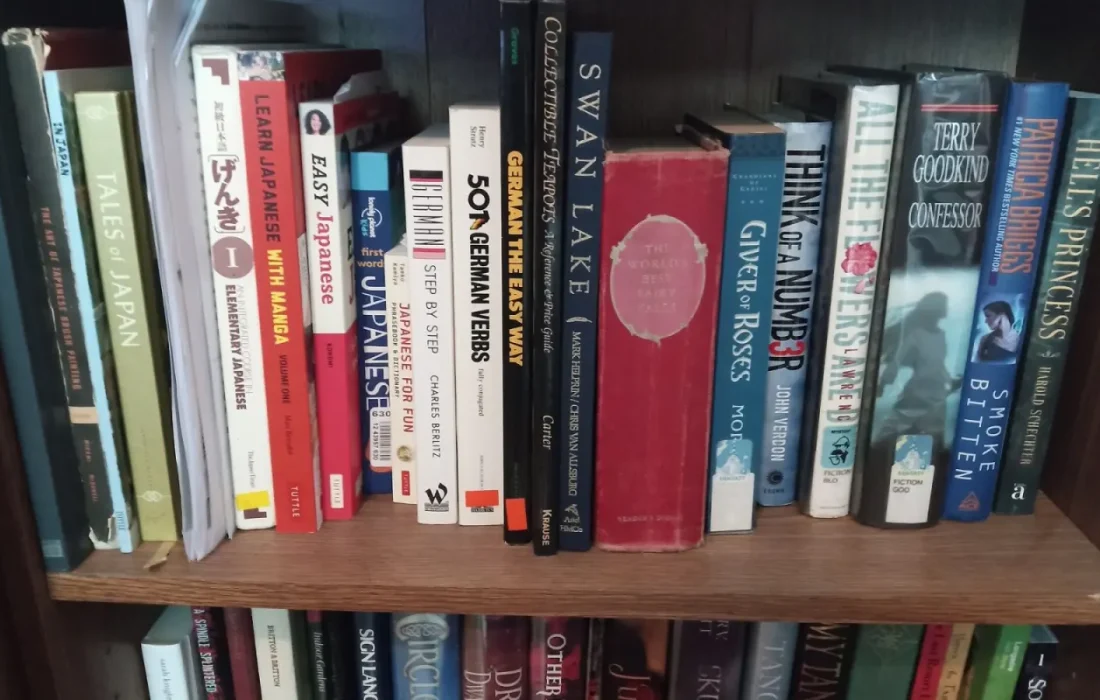
A good design book teaches you something new every time you read it.
Emily Carter
Books that change how you think
Books that change how you think go beyond technical knowledge. Essays on the creative process, comprehensive studies of design history and books that question the role of objects in everyday life broaden a designer's outlook. These books mostly don't teach a method; instead they teach you to ask better questions. That's why, even months after you finish them, they come to mind during a project and quietly steer your decisions.
The list also includes books on working life and freelancing. Resources made up of short, practical chapters on topics like pricing, client relationships and time management are especially valuable for those setting up a new studio. One of our editors says even a single sentence in a book can change a career, which is why it's important to keep a pen handy while reading.
Books to browse for inspiration
The books-to-browse section features books that speak through images more than text. Poster archives, book cover collections, architectural photo books and anthologies of independent publications are the kind you leave on the coffee table and open at random. Their aim isn't to inform but to feed the eye and spark unexpected connections. Often the color harmony on a page or the use of white space on a cover brings the answer to a problem you've been mulling over for days.
| Topic | Books & Resources |
|---|---|
| Highlights | book recommendations, typography, creative process |
| Reading time | 8 minutes |
| Written by | Emily Carter |
Key takeaways
- Fundamental books stay relevant for years because they don't depend on trends.
- Books that broaden your thinking teach you to ask better questions.
- Image-heavy print books feed the eye and inspire.
Comparing the books in this section with digital resources, our editors stress the difference print makes: the size of the page, the texture of the paper and the depth of the printing can't be felt the same way on a screen. If your budget is limited, borrowing from a library or browsing in a bookshop is valuable too. If you're going to pick just one of the twelve books, we suggest starting with the first section, depending on your needs.
What do you think about this post?



Leave a comment