




























































Practice Areas
Criminal Defense
Defense counsel and victim representation through investigation and trial; police interviews, detention reviews and appeals.
- 45-min initial consultation
- 2 specialists
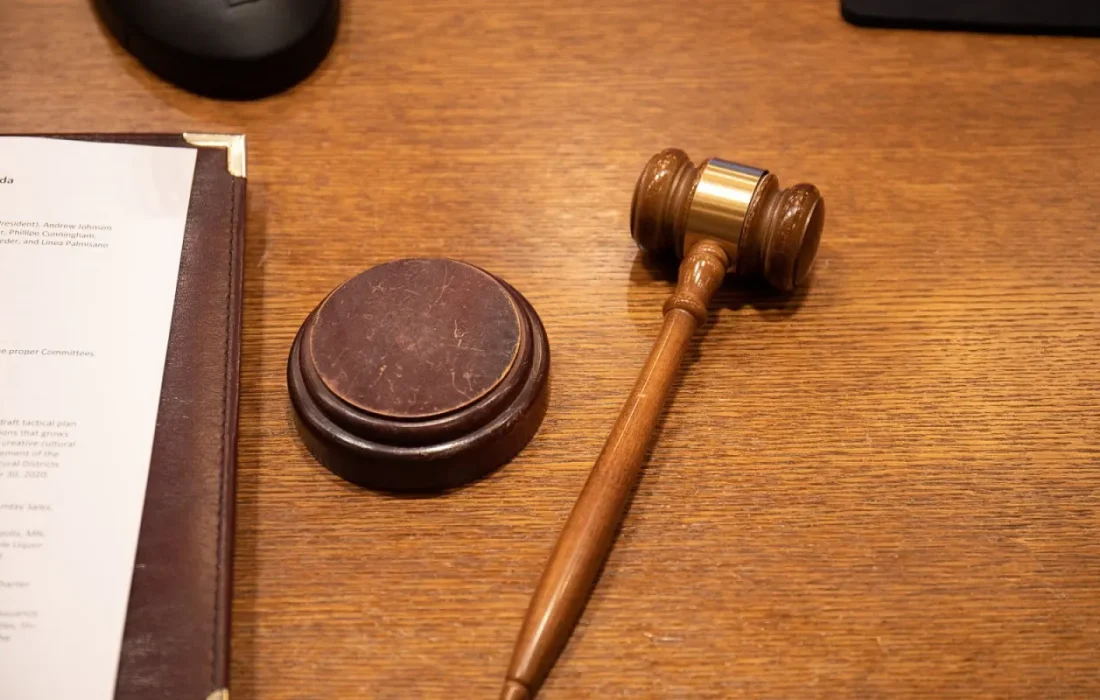
Criminal proceedings directly affect a person’s liberty, and the deadlines are often very short. The law gives suspects and defendants the right to counsel, the right to remain silent and the right to ask for evidence in their favor to be gathered. Our firm documents every step of the file, from the first moment of an investigation through to the appeal stage.
Scope of work
- Attending police and prosecutor interviews as defense counsel
- Challenging custody and pretrial detention orders, detention reviews
- Preparing the defense against the indictment and assessing expert reports
- Handling restorative justice and victim–offender mediation where available
- Representing victims and injured parties in criminal proceedings
- Appeals to the higher courts
How the process works
- Initial consultation: We review a summary of events and any notices or documents you have received; deadlines are identified on day one.
- File review: Unless access is restricted, the investigation file is reviewed through the court’s e-filing system.
- Strategy and evidence: Requests for witnesses, CCTV footage, phone records and expert examinations are submitted in writing.
- Hearings: After every hearing you receive a written summary.
Points to keep in mind
If you are called in for questioning, we recommend that you do not give a statement before speaking to your lawyer, that you do not post about the incident on social media and that you do not delete any messages, invoices, photos or other records. Appeal deadlines run from the date the decision is announced or served, so always note the date you received it.
This page is for general information only and does not constitute legal advice; please consult a lawyer about your specific situation.
Frequently asked questions
Do I have to attend questioning without a lawyer?
No. Anyone questioned as a suspect has the right to have counsel present, and this right must be explained before questioning begins. If a suspect cannot afford a lawyer, the bar association will appoint defense counsel on request.
How long do I have to challenge a detention order?
A detention order can be challenged within seven days of learning of the decision. Detention is also reviewed automatically at intervals set by law, and written submissions can be made at each review.
What is victim–offender mediation, and does it apply to every offense?
It is a process in which the suspect and the victim reach an agreement with the help of a trained mediator, for certain offenses defined by law. Not every offense qualifies; whether yours does is assessed at the first consultation.
Specialists offering this service


Jake Morales
Attorney, Westbridge Office
Technology, data protection and administrative law
Languages:English · French
Have a question?
Leave your number and our specialist will call you; we'll listen to your needs and give you clear information.