
























































New defense export contracts signed
At an international defense fair, domestic companies signed new export contracts with several countries worth hundreds of millions of dollars in total. Demand focused mainly on unmanned systems.
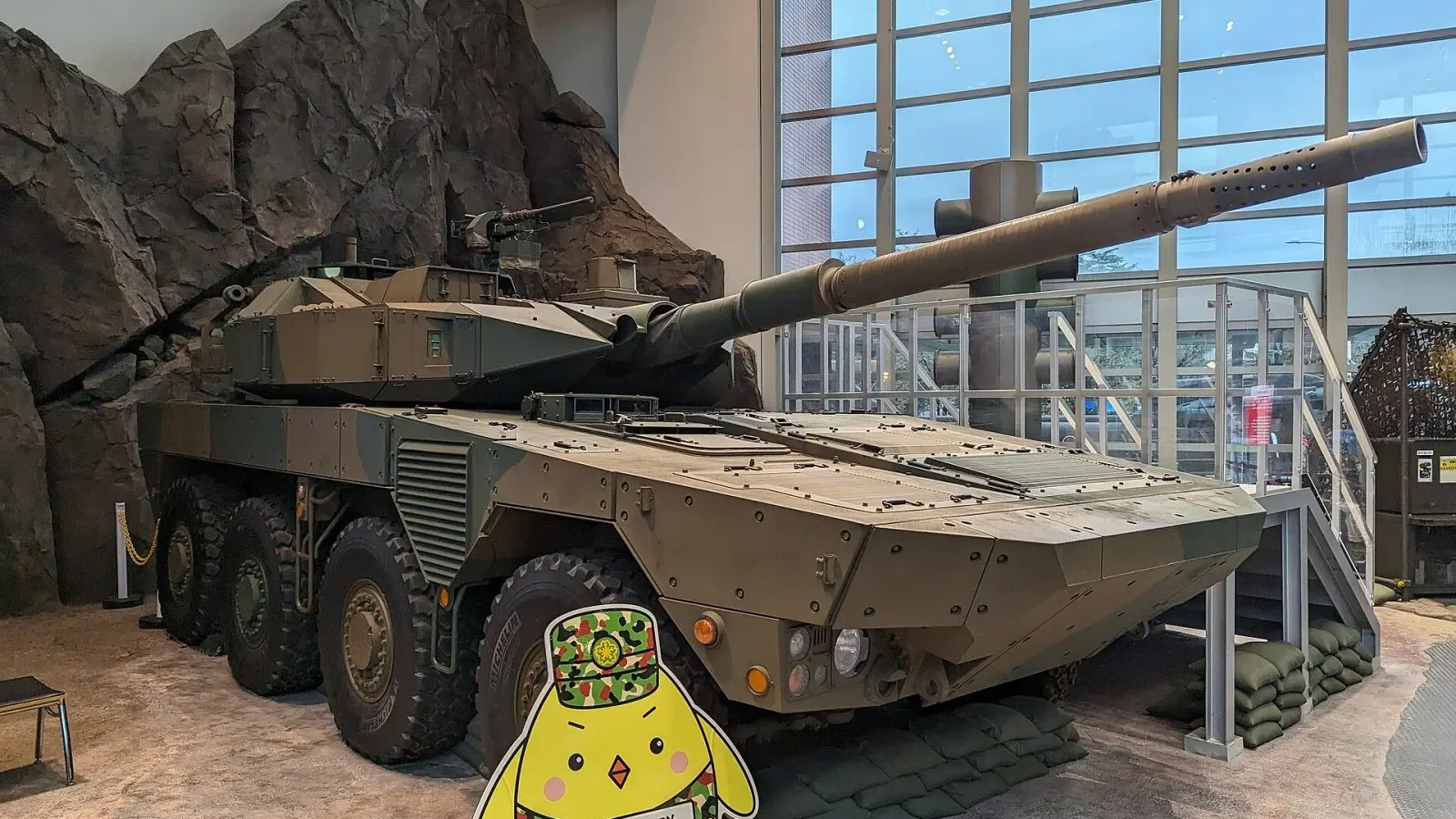
The international defense fair proved a productive meeting point for domestic defense companies. Contracts signed during the fair made a significant contribution to the industry's annual export target. Unmanned aerial vehicles, naval platforms and electronic warfare systems accounted for the bulk of the contracts. Industry representatives stressed that competition in the international market is intensifying and that research and development investment must continue to maintain the momentum.
In this article
- Deals signed at the fair
- Standout product groups
- Why R&D investment matters
Deals signed at the fair
In terms of total value, contracts signed in the first two days of the fair made it one of the industry's most productive fair performances in recent years. Announcing the results of their meetings with buyers from several continents, domestic firms said the contracts consist mainly of orders with delivery schedules spread over the next two years. Most of the deals were concluded directly at company level rather than under government-to-government frameworks.
The halls hosting signing ceremonies at the fairground were packed throughout the day. After the signings, company executives said the contracts cover not only product sales but also services such as training, maintenance and local production partnerships. This approach was said to help build long-term relationships with buyer countries and support the continuity of export revenues.
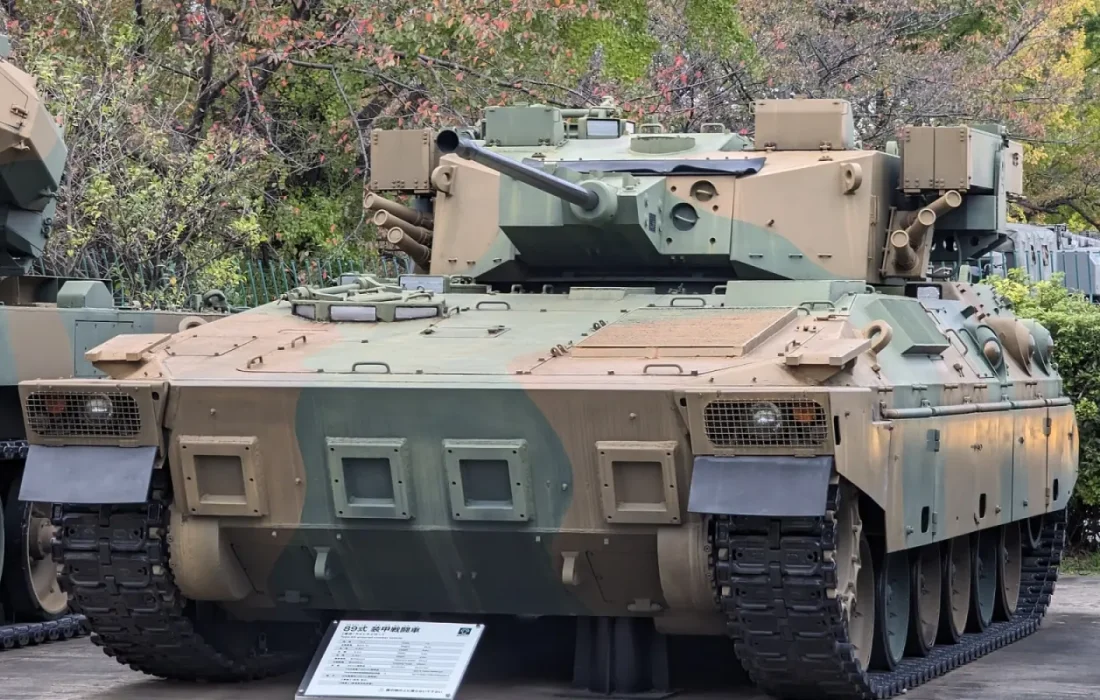
Domestic defense products are now in demand in every region of the world.
Jake Morales
Standout product groups
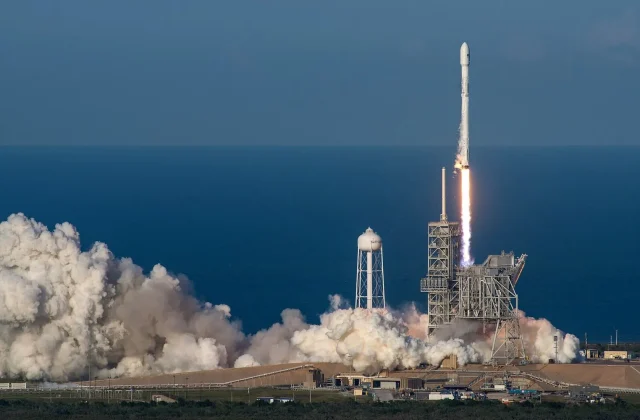
Unmanned aerial vehicles topped the list of standout product groups. Platforms designed for both reconnaissance and support missions drew interest from buyers in different regions. Among naval platforms, coastal patrol boats and small warships stood out. Electronic warfare and communications systems also took a significant share of the orders.
There was also strong demand at the fair for dual-use technologies suitable for civilian use. Talks were held on sensor systems, border surveillance solutions and unmanned vehicles for disaster monitoring. Company representatives said that when choosing products, buyers seriously weigh ease of maintenance, software updates and compliance with local regulations alongside price.
Why R&D investment matters
Industry representatives stress that research and development spending is critical to sustaining this momentum. Martin Kerr, an executive at the defense industry association, said export success is the fruit of investment spread over years, and that protecting the R&D budget for next-generation products is a precondition for competitiveness. More joint projects between universities and industry are also being called for.
| Topic | Security |
|---|---|
| Highlights | defense industry, exports, investment |
| Reading time | 6 minutes |
| Written by | Jake Morales |
Key takeaways
- Contracts signed during the fair made a significant contribution to the industry's export target.
- Demand focused mainly on unmanned aerial vehicles and naval platforms.
- The industry stresses that R&D investment is essential to maintaining momentum.
Companies also say competition abroad is getting tougher and buyers are increasingly demanding technology transfer. This requires a stronger domestic supply chain and continued hiring of skilled engineers. Officials said export loans and state support mechanisms will allow companies to scale up. New contracts are expected to be announced at upcoming fairs. In this respect, the fair's results are expected to provide a welcome morale boost for the rest of the year.


Leave a comment