






























































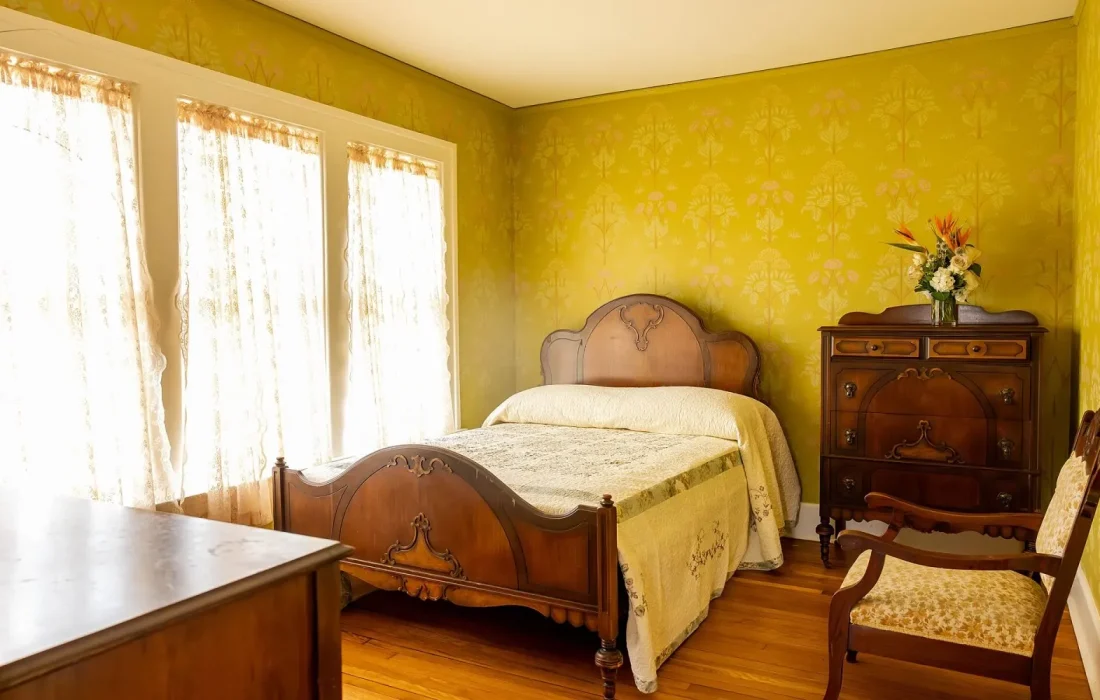
Sleep quality is shaped not only by our habits but also by the environment we sleep in. Sleep specialists stress that the ideal bedroom should be dark, cool, quiet and free of clutter. Blackout curtains, warm-toned night lights and moving screens out of the bedroom are among the easiest steps in this makeover. In this article, we explain how to set up your bedroom for more restful sleep without spending a fortune.
The power of darkness
Darkness is one of the most important factors supporting the natural release of the sleep hormone. Streetlights, charging indicators and gaps in the curtains can all make sleep lighter. Blackout curtains are one of the most effective solutions; if your budget is tight, a sleep mask works too. If you get up at night for water or the bathroom, a dim, warm-toned night light along the way is better than full lighting.
Opening the curtains toward morning so soft daylight enters the room can help regulate your body clock. Covering the lights on electronic devices with tape or moving the devices out of the room are practical solutions. If you have a reflex to check your phone in the middle of the night, putting it out of reach eliminates both the light and the distraction.

The bedroom should leave the noise of the day outside the door.
Ethan Brooks
A cool room
Room temperature is an important factor in how deeply you sleep. Experts find a range of 60 to 75°F comfortable for most adults, though personal preference matters. Light cotton bedding in summer and layered covers in winter make adjusting easier. Airing out the room for ten minutes before bed both lowers the temperature and freshens the air.
For quiet, door draft stoppers, thick rugs and window seal strips can help with soundproofing. If you can't block outside noise completely, low-volume white noise or nature sounds can mask it. If you use earplugs, choose clean, comfortable ones. If there are signs such as snoring or pauses in breathing, changes to the room may not be enough; see a doctor.
Keeping the bed for sleep only
Using the bed only for sleep and rest teaches the brain that bed means sleep. Working, watching shows or worrying in bed can weaken that link. If you can't fall asleep within twenty minutes, one method experts recommend is getting up, doing something calm in dim light and then going back to bed.
| Topic | Sleep |
|---|---|
| Highlights | evening routine, stress, self-care |
| Reading time | 6 minutes |
| Written by | Ethan Brooks |
Key takeaways
- Blackout curtains or a sleep mask can support sleep quality.
- A cool, airy and quiet room makes for more comfortable sleep for most people.
- Using the bed only for sleep and rest strengthens the connection.
A clutter-free room also brings mental calm. A book, a glass of water and perhaps a lamp are all you need on the bedside table. Washing the sheets regularly and replacing your pillow when needed boost comfort. You don't have to do it all in one day; one small change each week can turn your bedroom into a calm retreat over a few months.
What do you think about this post?



Leave a comment