





























































Tips for parents before mid-term break: Making the most of nine days off
With schools days away from the mid-term break, experts suggest a plan that lets children rest while they keep learning.
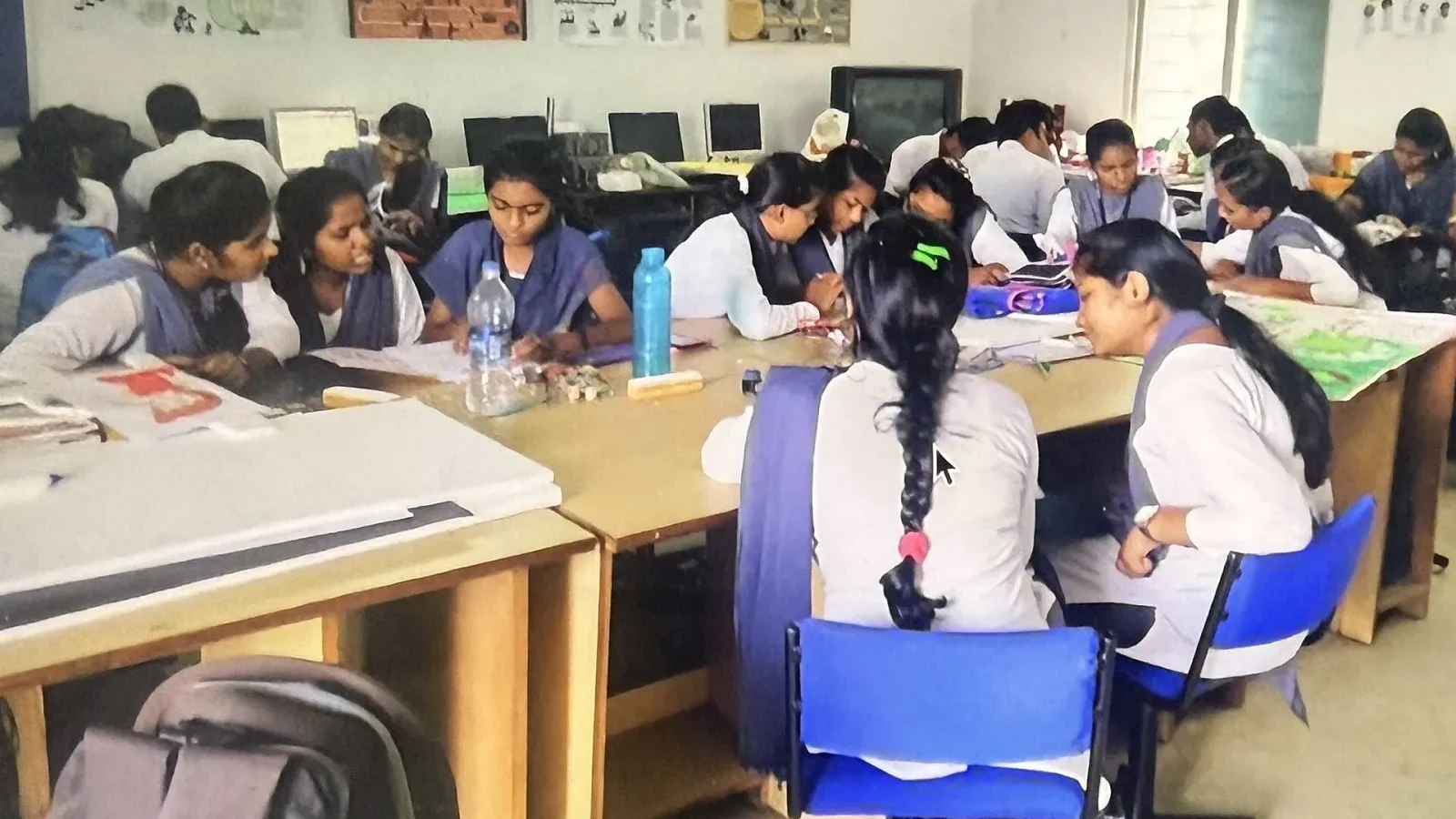
Table of contents
The mid-term break in the middle of the first semester gives students a chance to catch their breath. Education specialist Anna Whitfield says it's a mistake either to spend the whole break revising or to never open a book. A short daily reading session, family trips to museums and libraries and time spent outdoors all boost children's motivation. Limiting screen time and keeping a regular sleep schedule also make going back to school easier. Free workshops and activities are planned in many districts during the break.
Balancing rest and review
Educators say it isn't productive for children either to break completely from their academic routine during the break or to spend most of the day studying. The recommended balance is to combine an hour of light reading or practice problems a day with play and rest for the rest of the time. That way, children keep their habits while recharging their minds.
It's possible to set aside the first two days of a nine-day break for rest and the following days for small goals. Linking a subject your child struggles with to an activity they enjoy, such as tallying up the grocery bill for math or doing a simple kitchen experiment for science, turns learning into a game. A pressure-free approach that feeds curiosity tends to stick in the long run.
A break is a chance for children to rediscover learning through play.
Sarah Bennett
Keep an eye on screen time
Screen time can easily creep up during breaks. Experts recommend setting a clear, age-appropriate limit on daily screen use and agreeing on it together with the child. Turning off screens at least an hour before bed helps maintain sleep routines and reduces adjustment problems when school starts again. When setting limits, choosing age-appropriate content and favoring shows watched together are also helpful.
Offering alternatives to screens seems to work better than banning them. Board games, puzzles, drawing, cooking together or going for family walks are options that can capture a child's interest. Parents putting their own phones aside at the same times is the easiest way to set an example. Not shifting bedtimes too much also makes the transition after the break easier.
Free activity ideas
In many districts, local councils, libraries and cultural centers hold free workshops, theater shows and film events during the break. Registration for art, ceramics, coding and nature walk workshops is usually done online. Since places are limited, families are advised to keep an eye on their local council's announcements in advance. Because most events take place on weekday daytimes, working families may also want to look into weekend options.
| Topic | Education |
|---|---|
| Highlights | school, education, family |
| Reading time | 5 minutes |
| Written by | Sarah Bennett |
Key takeaways
- A short daily reading session should be balanced with rest.
- Screen time should be limited with clear rules agreed together.
- It pays to keep track of free events at libraries and local councils.
There's no shortage of activities to do at home, either. Getting a library card with your child, visiting a museum or historic site once a week or birdwatching in the park offer big rewards at low cost. Having your child collect what they did in a notebook or photo album at the end of the break leaves a keepsake and supports their self-expression skills.
What do you think about this post?

Leave a comment