
























































Getting ready for winter: Ways to cut home heating costs
We've rounded up practical ways to fight rising gas and electricity bills in the winter months. Small steps can make a big difference to your bills. Expert advice is in our story.
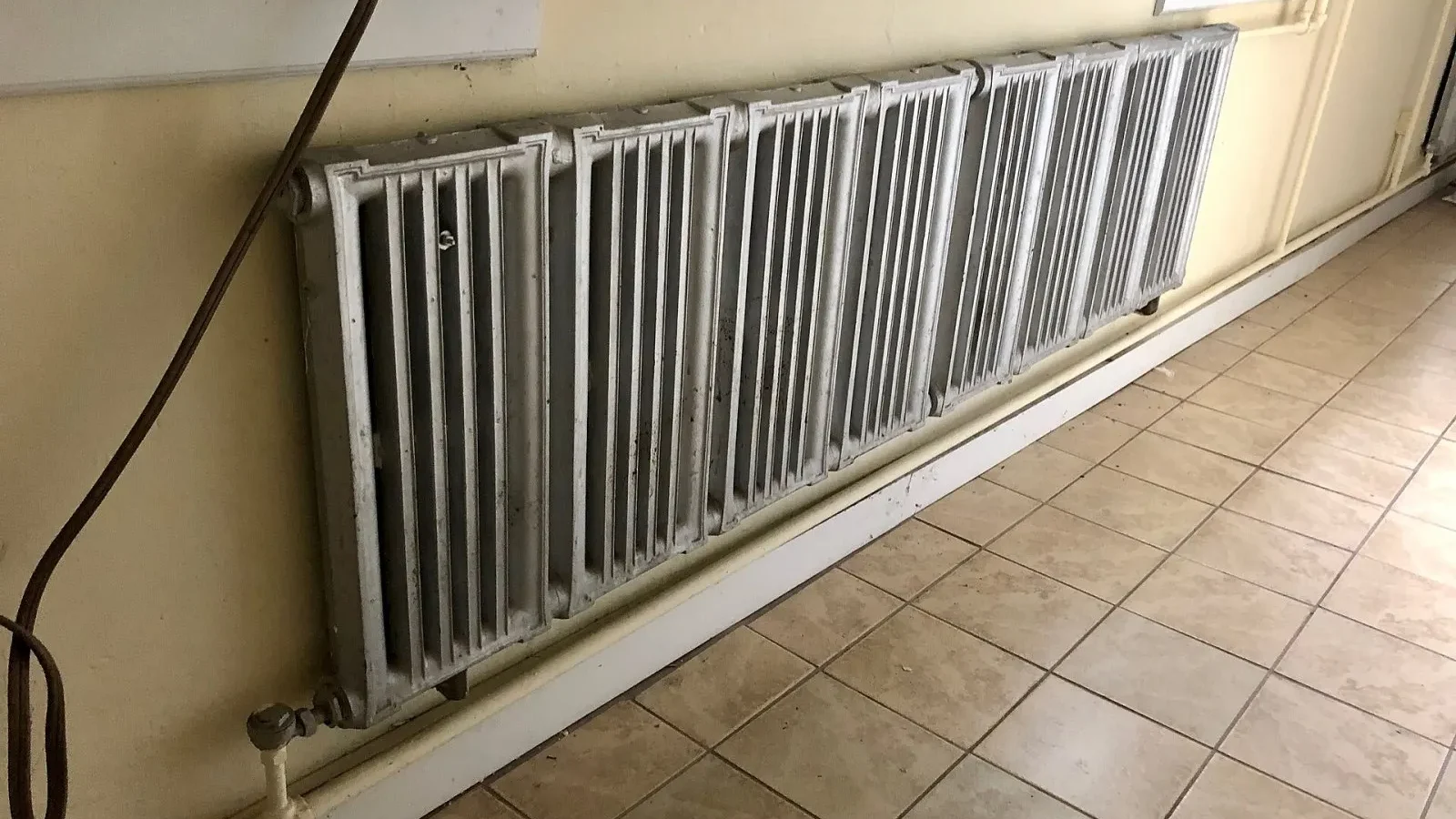
Table of contents
As the weather turns colder, heating becomes one of the biggest items in household budgets. Energy efficiency experts say a large share of heat loss at home comes from gaps around windows and doors. Sealing those gaps with simple weatherstripping, servicing the boiler regularly and keeping radiators unobstructed can noticeably lower bills. We've put together the experts' advice for you.
Heat loss around windows and doors
Most heat loss usually happens through gaps around old window frames, under doors and around roller shutter boxes. The easiest way to find these spots is to check on a cold day whether you can feel a draft with your hand or see a candle flame flicker near the frame. Anywhere you feel a draft is a sign of heat loss and higher bills.
The first step is to seal the gaps with low-cost materials such as silicone, foam tape or door sweeps. Heavy curtains help reduce heat escaping through windows at night. More permanent solutions include double glazing, exterior wall insulation and roof insulation; although these investments are costly in the early years, they can pay for themselves in the long run.

A small investment in insulation pays for itself over the winter.
Jake Morales
Boiler and radiator maintenance
Servicing your boiler and radiators tops the list of jobs to do before winter. Having your boiler checked once a year by an authorized technician improves both safety and efficiency. Problems such as limescale in the heat exchanger and clogged filters can mean burning more gas to reach the same temperature.
Bleeding radiators and flushing out sediment also improve heat distribution. Not blocking radiators with sofas, curtains or cabinets helps warm air spread through the room. Using thermostatic radiator valves and a room thermostat lets each room heat only as much as it needs, cutting unnecessary consumption. Checking the boiler's water pressure and keeping the temperature setting at a reasonable level also prevent the appliance from being overworked.
Using appliances efficiently
Appliances other than heating also affect your winter bill. Energy-efficient, A-rated appliances use less electricity. Running the washing machine and dishwasher only when full, choosing shorter cycles and unplugging devices on standby are simple habits that save money. Switching to LED bulbs also makes a meaningful difference to your bill.
| Topic | Economy |
|---|---|
| Highlights | weather, city council, inflation |
| Reading time | 6 minutes |
| Written by | Jake Morales |
Key takeaways
- Gaps around windows and doors are the main cause of heat loss.
- Boiler servicing and radiator cleaning improve efficiency.
- Lowering the room temperature by one degree can save about 6%.
Lowering the room temperature by one degree can cut heating costs by about 6% to 7%. For older people, babies and those with chronic conditions, it's possible to strike a balance without sacrificing comfort by dressing warmly and closing off unused rooms. Since every home is different, the best approach is to track your consumption regularly.
What do you think about this post?



Leave a comment