






























































The next generation of e-scooters and e-bikes: We tested urban mobility
We used time-saving e-scooters and e-bikes for our daily commute for a month. We review range, safety and comfort in the video.
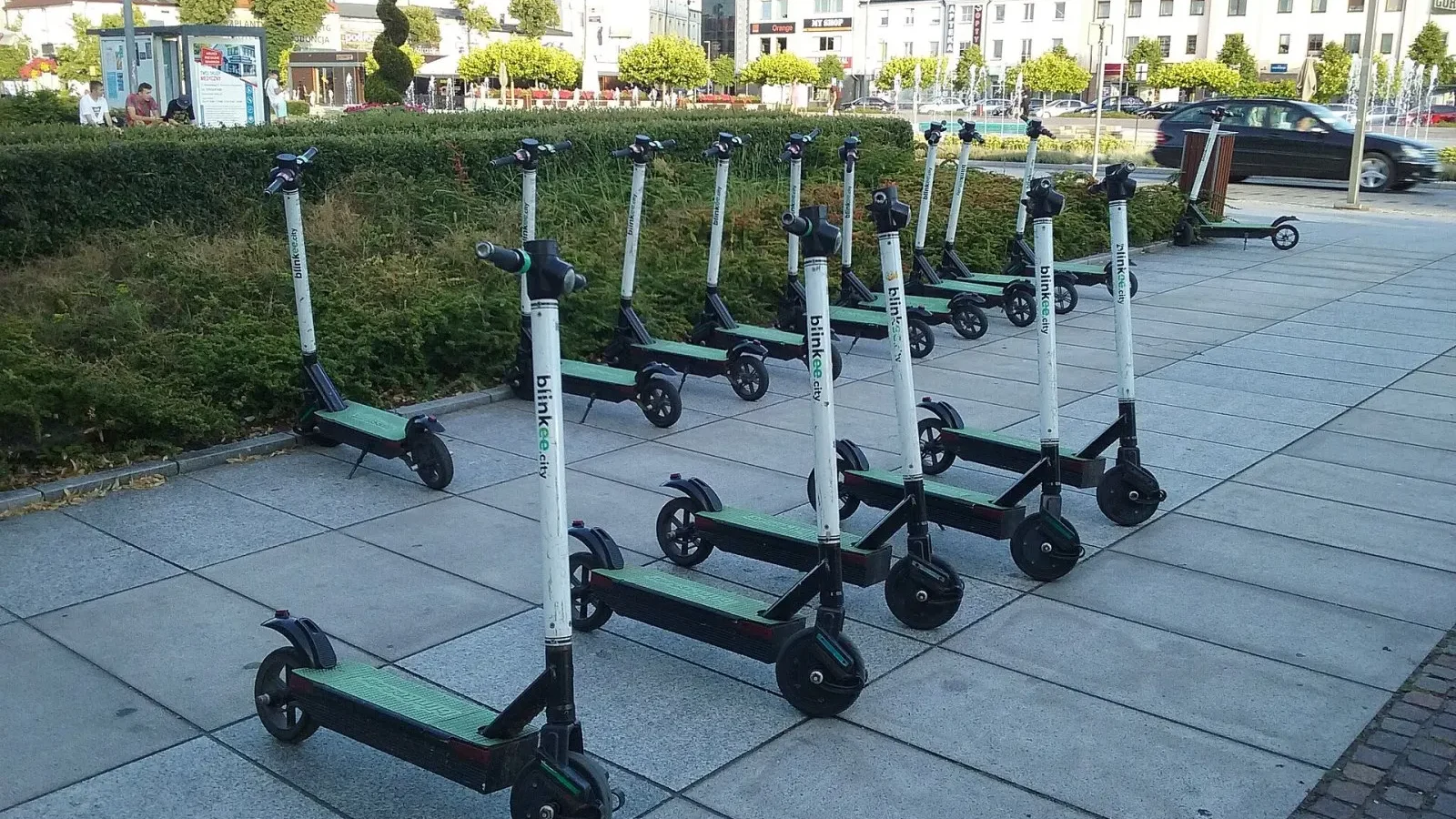
Table of contents
As traffic congestion grows in big cities, e-scooters and e-bikes are becoming an attractive alternative for short trips. For a month, we used two scooters and an e-bike for our daily commute. The e-bike proved more comfortable on hilly routes and longer distances, while the scooter's portability made it better suited to combining with public transport. We also noted that battery range drops noticeably in cold weather. Safety gear such as a helmet, lights and reflective clothing should never be neglected.
Scooter or e-bike?
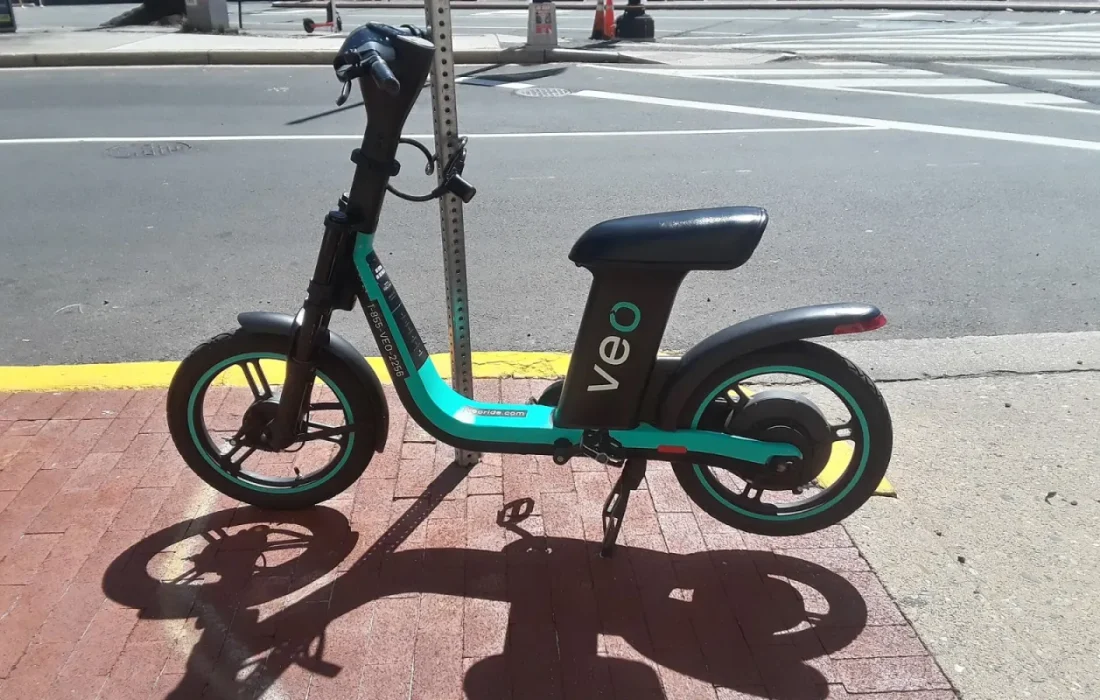
The key difference between an e-scooter and an e-bike is how you use it. A scooter is ridden standing up and can be folded and carried onto public transport or into the office; it weighs between 15 and 20 kilograms. An e-bike provides pedal assist, makes hills easier and offers comfort over longer distances, but needs to be parked in a garage or at a secure bike rack.
During our month-long test, we used two scooters and an e-bike for our daily commute. On short trips of five to eight kilometers, the scooter was the most practical door-to-door solution. On routes over twelve kilometers and on hills, the bike was far ahead. Both saved time in traffic, but riding became harder in winter conditions.
Cutting a forty-minute trip through traffic down to fifteen feels like a small victory every morning.
Sarah Bennett
Real-world range and charging time
The range figures manufacturers quote are usually measured under ideal conditions. In our measurements, real-world range came in between 70 and 85 percent of the stated value. Rider weight, wind, hills and speed all have a significant effect. In cold weather, battery capacity drops, so range was noticeably shorter than in summer. The numbers vary with the weather.
Charging times ranged from three to five hours. Charging the battery at work is a practical solution for daily use. Not draining the battery completely and not leaving it fully charged for long periods extends its life. The braking system, tire type and suspension made a bigger difference to comfort and safety than we expected; airless tires resist punctures but make the ride bumpier.
Gear for safe riding
Safety gear must not be neglected. A helmet is the most critical precaution, especially in the city; head injuries are the most common risk in scooter and bike accidents. Front and rear lights improve visibility in the evening and early morning. A reflective vest or clothing makes the rider visible in the dark. Gloves and knee pads also offer protection in winter and wet weather.
| Topic | Electric Vehicles |
|---|---|
| Highlights | electric vehicles, review, battery life |
| Reading time | 6 minutes |
| Written by | Sarah Bennett |
Key takeaways
- Scooters are more convenient for short trips; e-bikes are more comfortable on hilly, longer routes.
- Battery range drops noticeably in cold weather.
- A helmet, lights and reflective clothing are essential safety gear.
Following traffic rules, staying off sidewalks and not blocking walkways when parking are essential for urban mobility to be sustainable. Learn the local regulations; speed limits and riding bans can vary from place to place. A lock and insurance should also be considered to guard against theft. Cutting a forty-minute trip through traffic down to fifteen feels like a small victory every morning.
What do you think about this post?

Leave a comment