



















































The final turn before the season finals: what’s at stake at the last Masters?
The last tickets for the season-ending finals will be handed out this week. We assess the players on the edge in the rankings race and the impact of indoor court conditions.
The last Masters tournament of a long, grueling men's tennis season is the final chance for players on the edge in the rankings race. Several of the eight players who will contest the season finals have already secured their places, but at least four players are locked in a fierce battle for the last tickets. The fast indoor surface gives a clear advantage to big servers. This year, the late-season rise of players under 22 is especially striking. We've gathered the standout notes from the tournament's opening days.
In this article
- The math for the final eight
- The fast indoor surface
- The young guns' late-season charge
The math for the final eight
Five of the eight players who will contest the season finals are already confirmed. For the remaining three spots, the four players ranked ninth to twelfth are aiming to reach a semifinal or final at this tournament. With fewer than a hundred points separating them, every result has a direct impact on the race. That's why fans who know the rules inside out are updating the tables by the minute.
In the first two days of the tournament, a young player seen as one of the favorites was unexpectedly knocked out in the second round. The result created a big opportunity for the remaining players. Coaches say the fatigue of a long season also played a role in these early exits. Many players say that at this point in the season, managing physical fatigue is more decisive than technical ability.
At the end of the season, what makes the difference is managing your energy, more than your racket.
Sophie Laurent
The fast indoor surface
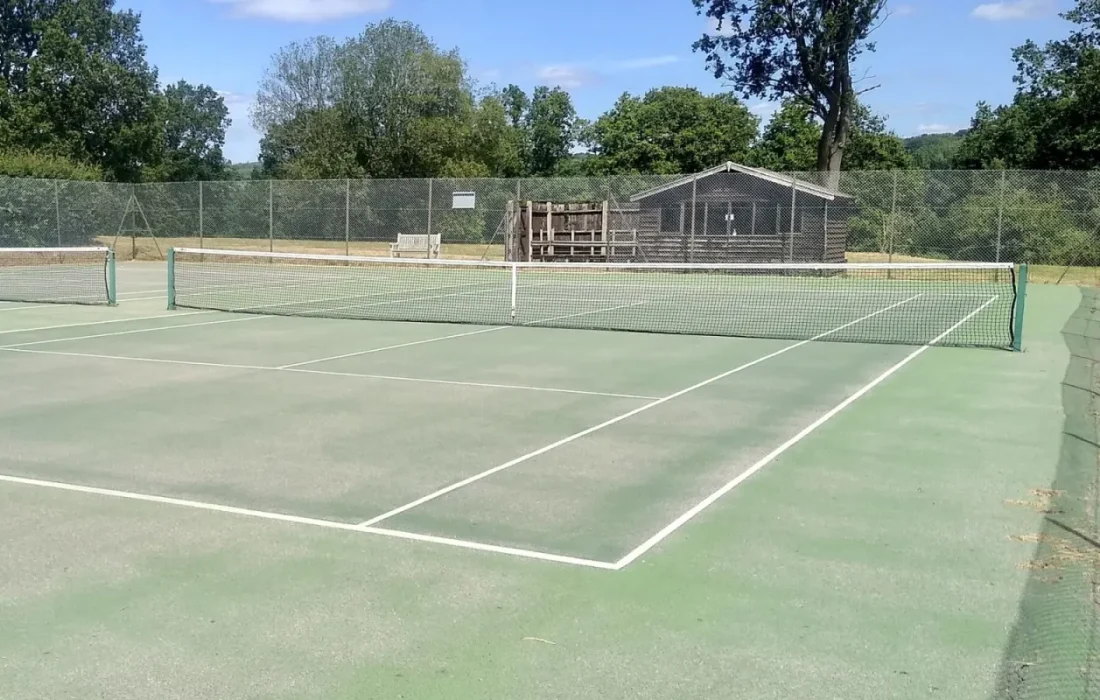
The fast indoor surface increases the impact of the serve. The absence of external factors like wind and sun makes the ball bounce more predictably. That allows big servers to win games with less effort. Players who rely on long rallies, on the other hand, can lose the advantage they enjoy on clay or outdoor hard courts.
Coaches explain that adapting to indoor conditions starts weeks in advance. During this period, players practice shorter rallies, first-strike pressure and service returns. The size of the crowd and the lighting are also among the factors that can affect players' concentration. The tournament organizers said the arena lighting has been adjusted so as not to strain the eyes. The effect of these preparations is evident in how comfortable the players looked in the early rounds.
The young guns' late-season charge
This year, the late-season charge of players under 22 is striking. Young players have climbed an average of thirty places in the rankings compared with last season and increased their number of wins against top opponents. One of them has come close to the points threshold for the season finals for the first time this year. In tennis circles, this is seen as a sign that a new generation has arrived.
| Topic | Tennis |
|---|---|
| Highlights | Grand Slam, young players, ATP |
| Reading time | 5 minutes |
| Written by | Sophie Laurent |
Key takeaways
- Five of the eight spots are filled, with four players competing for the last three.
- The fast indoor surface gives big servers an advantage.
- Players under 22 have made a marked late-season rise.
Experts attribute the young players' success to balanced season planning and improvements in physical preparation. Playing fewer tournaments and resting better appears to pay off at the end of the season. Another advantage for young players is how well they suit the fast style of play on indoor courts. However, the experienced players' big-match experience still makes them decisive in this battle. That balance looks set to continue in the seasons ahead.
What do you think about this post?
Leave a comment