












































10 tips for packing your belongings the right way
Most moving damage comes from poor packing. Here are the methods our crews use in the field.
A plate broken or a table scratched during a move is usually the result not of a bump on the road but of inadequate packing. A well-packed box is prepared to withstand movement inside the truck and knocks during loading. Whether you plan to pack the boxes yourself or want to know what to look for in a packing service, we've gathered the core principles our packing crews apply in the field.
The right materials
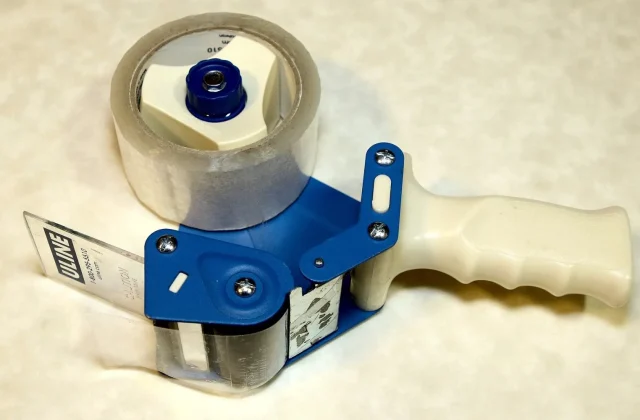
The first rule of packing is the right materials. Grocery-store boxes are usually single-wall and weak; for moving, choose sturdy double-wall boxes. Bubble wrap and foam sheets for fragile items, divided boxes for plates and glasses, and wardrobe boxes for clothes make the job much easier.
Choose box size by weight: heavy items like books and plates go in small boxes, light items like pillows and bedding in large ones. Putting heavy items in large boxes can cause the box to give way and the person carrying it to get hurt.
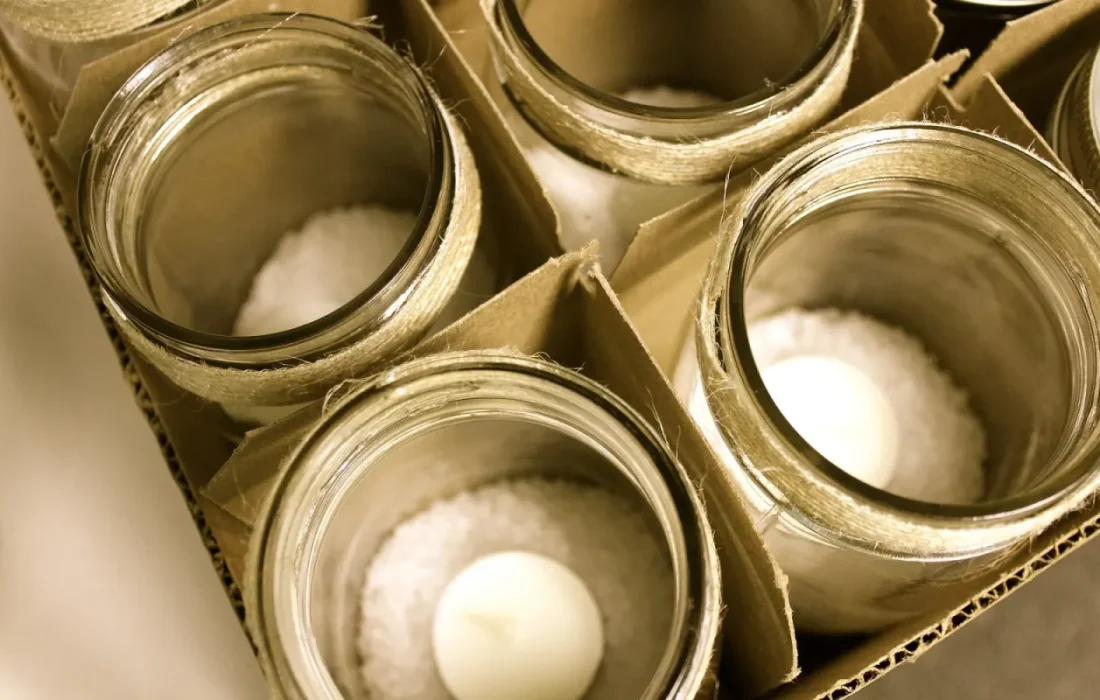
A well-packed box makes no sound when you shake it.
Ethan Brooks
Packing room by room
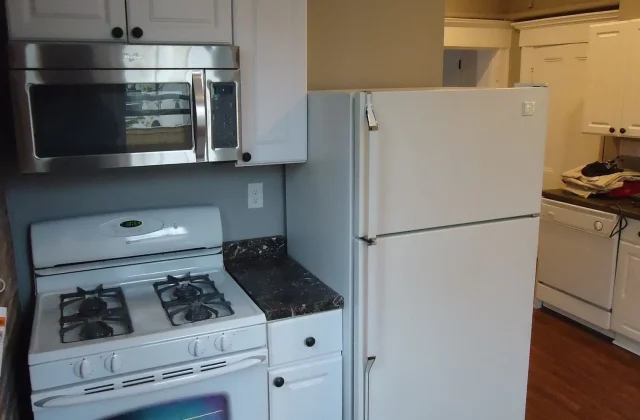
Start packing with the rooms you use least, and finish each room before moving on to the next. Stand plates upright with paper or foam between them, and wrap glasses one by one. There should be no empty space in the box; filling gaps with paper or textiles keeps items from shifting.
Pack electronics in their original boxes if possible. Put cables in a labeled bag with the device. Protect TV screens with a rigid surface and keep the box upright. Taping the caps of bottles containing liquids and putting them in a bag reduces the risk of leaks.
Labeling and loading order
Write the room name and a short summary of contents on every box; mark fragile boxes separately and show which side should face up. Writing the label on the side rather than the top means you can still read it when boxes are stacked. Giving each room its own color with colored tape or labels also speeds up unpacking.
| Topic | Packing |
|---|---|
| Highlights | packing, boxes |
| Reading time | 5 minutes |
| Written by | Ethan Brooks |
Key takeaways
- Heavy items go in small boxes, light items in large ones.
- Leaving no empty space inside the box is the best way to prevent damage.
- Labeling the side of the box makes unpacking easier.
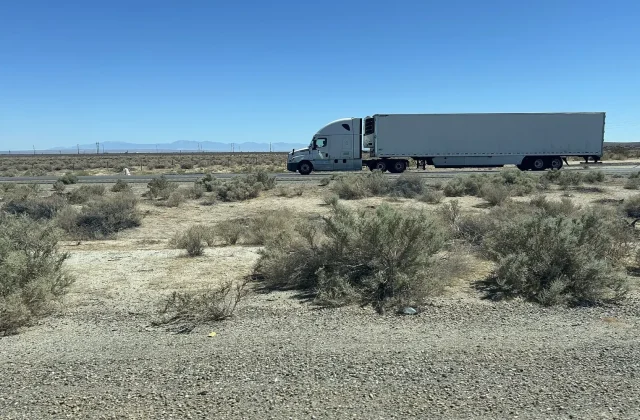
When loading, heavy and bulky items go in first, close to the truck wall; fragile boxes go in last and are secured. Leave one final box for the things you use on the morning of moving day. Remember, too, that boxes you pack yourself may be treated differently under your insurance.
2 Comments
Really useful piece, thank you for putting it together.
I had never thought about this side of it. Looking forward to a follow-up.