





























































A weekend in the streets of Mardin: stone houses, terraces and the scent of bitter coffee
From terraces overlooking the Mesopotamian plain to narrow stone lanes, we tell the story of our two days in Mardin in photos. Where to stay and what to eat are answered in the gallery too.
With its honey-colored stone houses and terraces overlooking the plain, Mardin is one of those cities that captivates you from the very first step. Walking its narrow streets, you're accompanied by the hammering of coppersmiths on one side and the scent of strong bitter coffee drifting from the cafés on the other. On our short two-day getaway, we explored the old bazaar, the historic madrasas and the best terraces for watching the sunset. We brought together the best shots from our route and our local food tips in the gallery.
In this article
- Getting lost in the old bazaar
- Terraces above the plain
- Flavors of Mardin's kitchen
Getting lost in the old bazaar
The old bazaar is the heart of any trip to Mardin. Along narrow streets with stone arches, copper workshops, spice sellers and soap shops follow one after another. We found the bazaar quieter in the morning, while in the afternoon it buzzed with local and foreign visitors. Putting the map away and getting a little lost is part of the fun here. Watching the shopkeepers open up in the morning is a treat of its own.
Handmade soaps, dried almonds and silver filigree jewelry stand out as souvenirs in the shops. Chatting with the vendors is a lovely chance to learn the stories behind their goods. A polite bit of haggling usually goes down well. Before you leave the bazaar, don't forget to try the local bitter coffee; served in tiny cups, this intense brew is considered the region's signature.
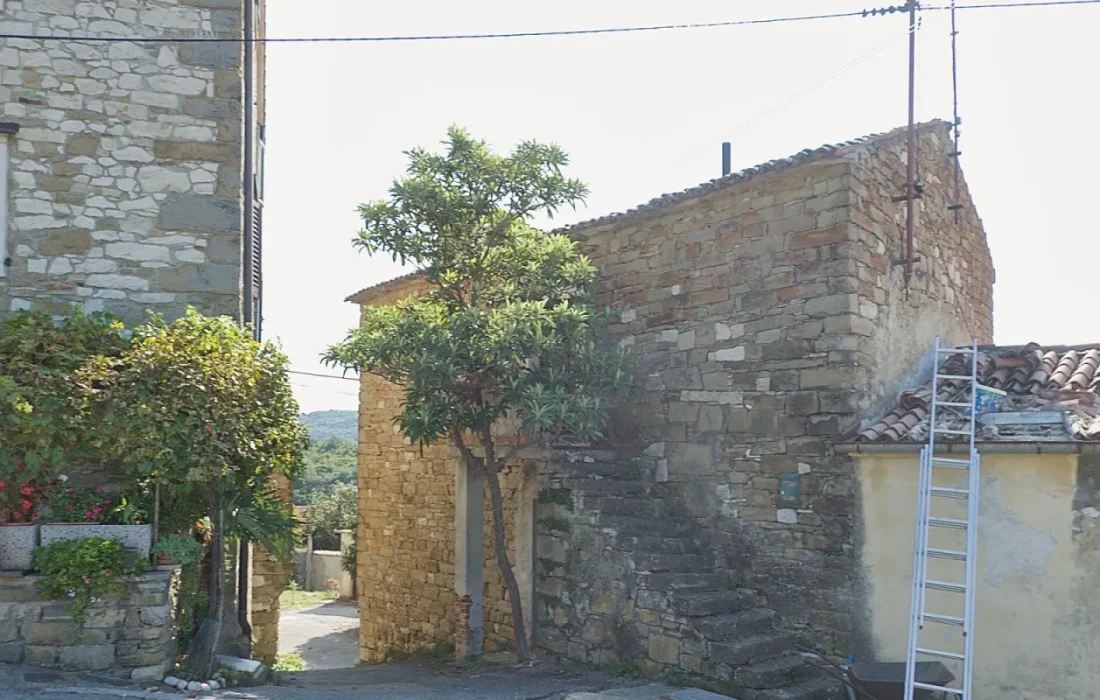
In Mardin, the sunset repaints the color of the stones minute by minute.
Mark Ellison
Terraces above the plain
The terraces overlooking the plain are Mardin's most photographed spots. At sunset, the color of the stones shifts from golden yellow to pink, and the Mesopotamian plain turns into an endless carpet. Most boutique hotels and cafés open their terraces to visitors. We recommend going a little early to find a spot at sunset. For photographers, this short window known as the golden hour is priceless.
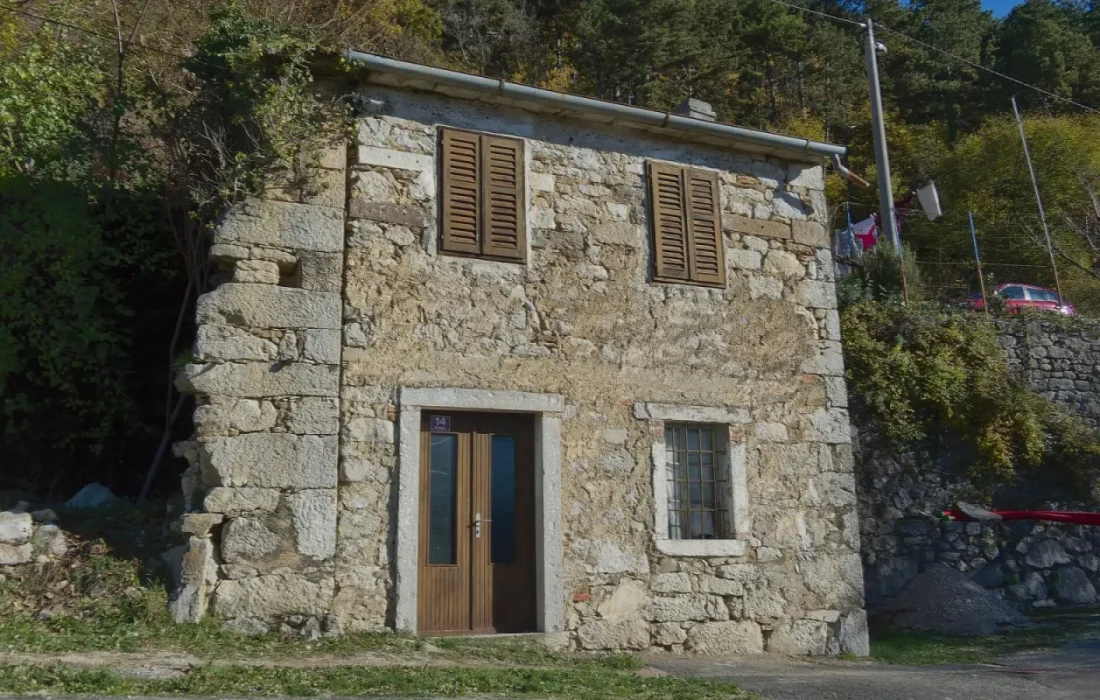
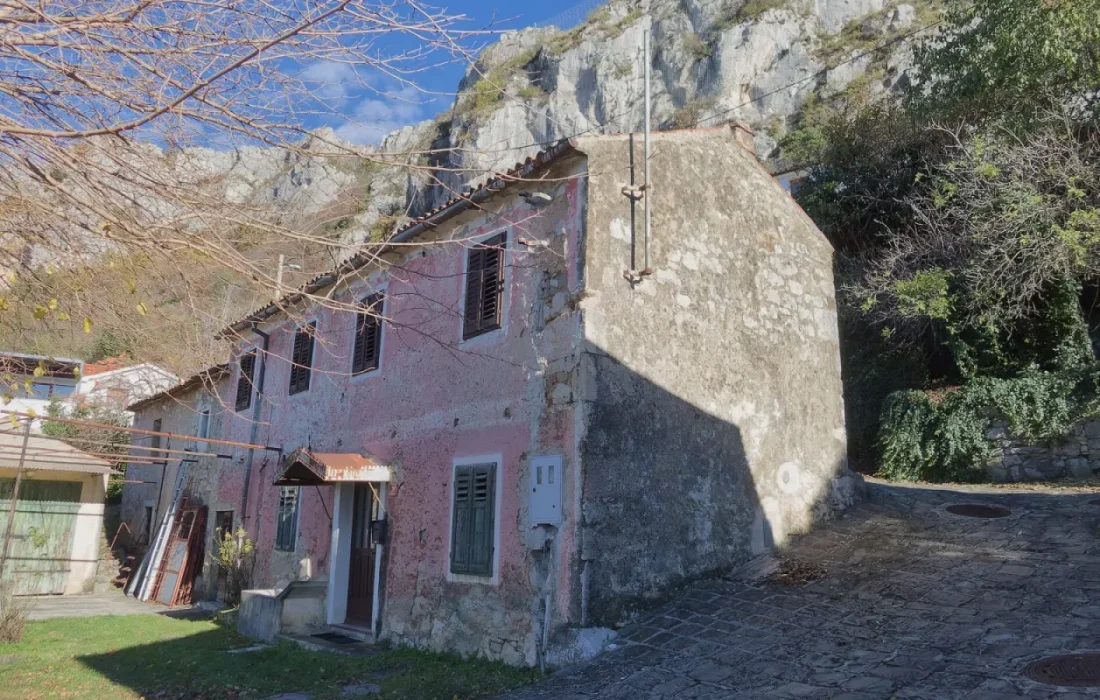
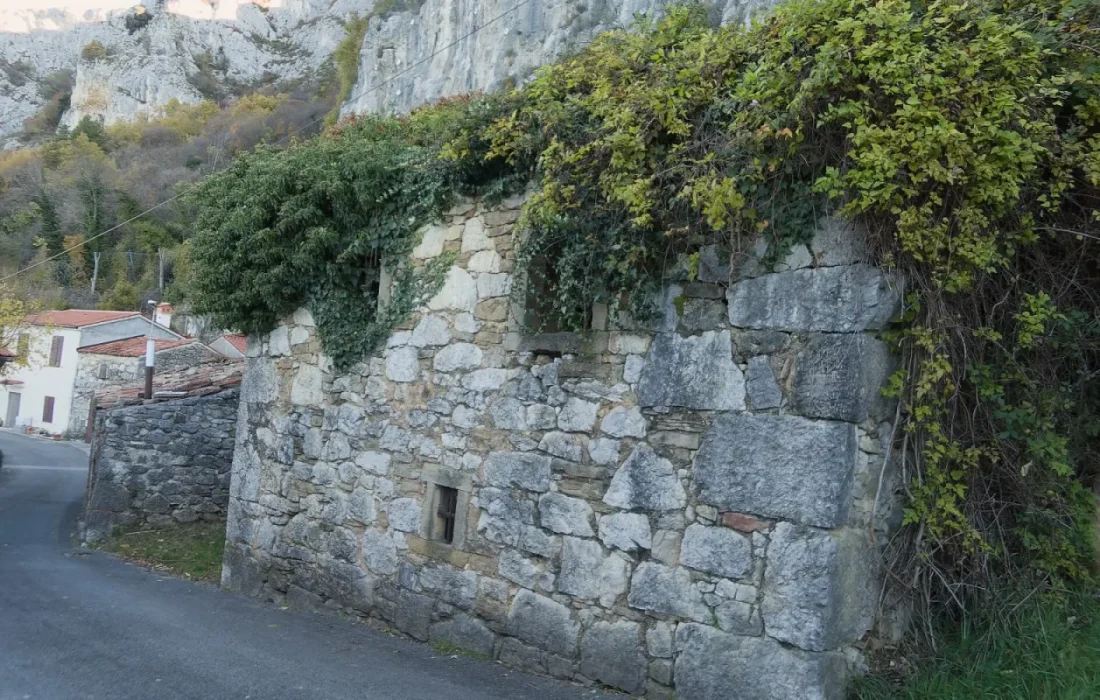
The evening chill can quickly get to anyone sitting on a terrace, so bringing a light wrap or jacket is a good idea. It's perfectly fine to order tea or coffee on the terrace and sit for hours. You can also have dinner on the same terrace if you like. At night, the view of the illuminated stone buildings offers an enchanting atmosphere quite different from the calm of the day.
Flavors of Mardin's kitchen
Mardin's cuisine is full of rich, spiced flavors. You can try local dishes such as stuffed lamb ribs, sembusek flatbreads, ikbebet and irok, the region's take on stuffed bulgur dumplings. Breakfast brings local cheeses, olives, honey and clotted cream to the table. Portions are generous, so sharing is wise; that way you can taste more dishes. Every plate reflects the shared culinary memory of the region's many cultures.
| Topic | Travel |
|---|---|
| Highlights | city guide, itinerary, weekend |
| Reading time | 6 minutes |
| Written by | Mark Ellison |
Key takeaways
- Coppersmiths, soap makers and bitter coffee stand out in the old bazaar.
- You'll need to arrive early to find a spot on the terraces at sunset.
- In Mardin, try stuffed lamb ribs, sembusek and almond sweets.
For dessert, semolina syrup cake and sugared almonds stand out. The local almond pastes also make a lovely gift. Choosing family-run restaurants for your meals can be both more authentic and more affordable. If you're wary of heavily spiced food, you can ask the waiter to make your dish a little milder.
Leave a comment