




























































Balcony composting: turning kitchen scraps into soil in small homes
Even without a garden, you can put your kitchen scraps to good use. We explain how to set up an odor-free, practical compost bin on a small balcony.
Vegetable peels, coffee grounds and eggshells that pile up in the kitchen can become valuable soil with the right method. Many people think composting is only for big gardens, but a small balcony can be enough. Landscape architect Oliver Earl says the most important rule for avoiding odors is keeping the balance between green and brown waste. In this guide you'll find every step, from choosing a bin to using finished compost in your pots.
In this article
- Choosing the right bin
- Balancing greens and browns
- Using your finished compost
Choosing the right bin
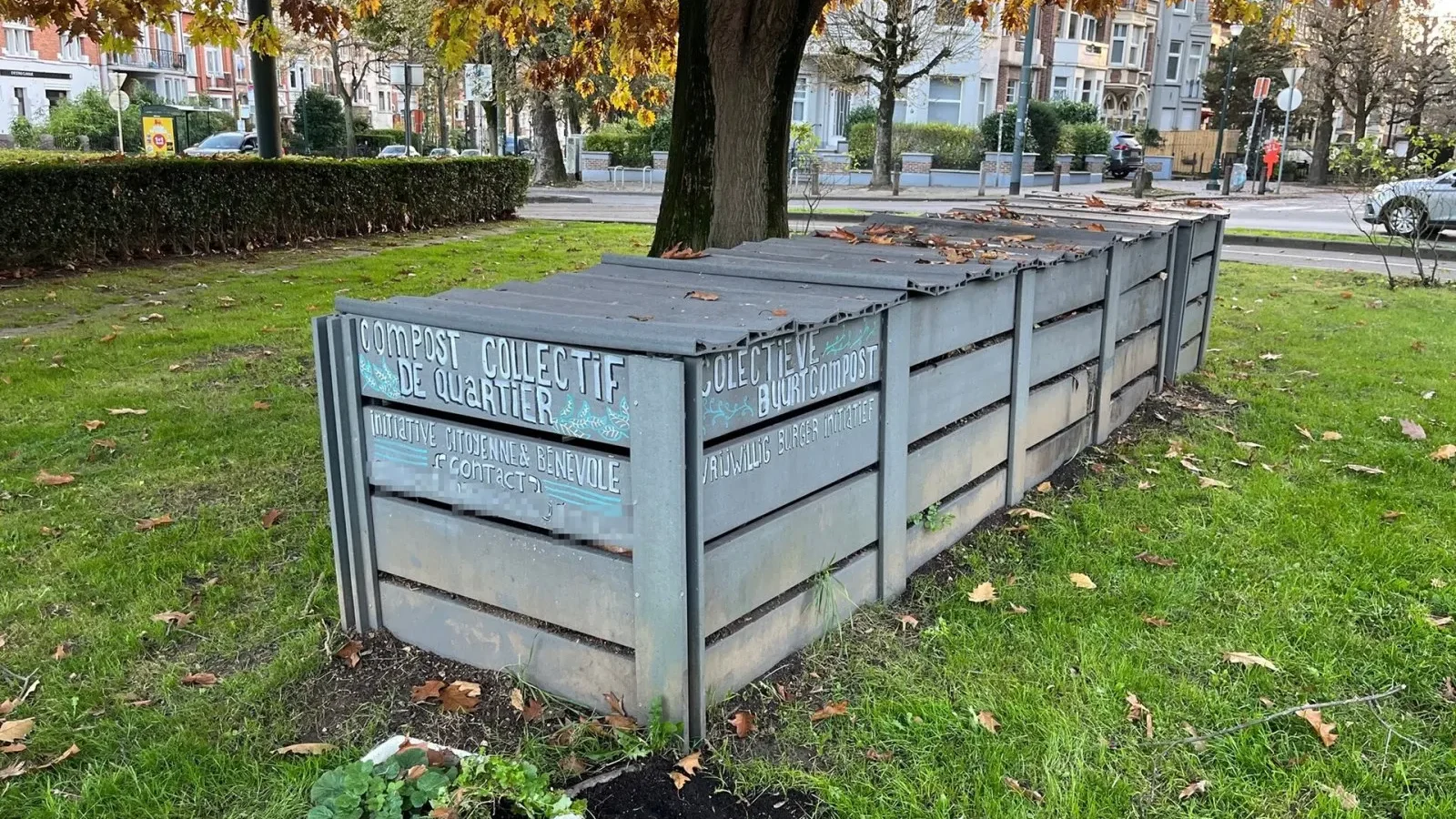
Choosing the right bin is half the job in balcony composting. Oliver Earl recommends bins with ventilation holes, a tight-fitting lid and a tray underneath to catch leaks. Plastic, wood and stainless steel options are all available. In terms of size, a bin of five to eight gallons is usually enough for a household of two or three.
The bin should be placed in a shady but airy corner of the balcony. Direct sun can overheat and dry it out, while constant rain brings too much moisture. Earl suggests putting small feet under the bin or laying an insulating mat on the floor. To avoid bothering your neighbors, make sure the lid closes tightly too.
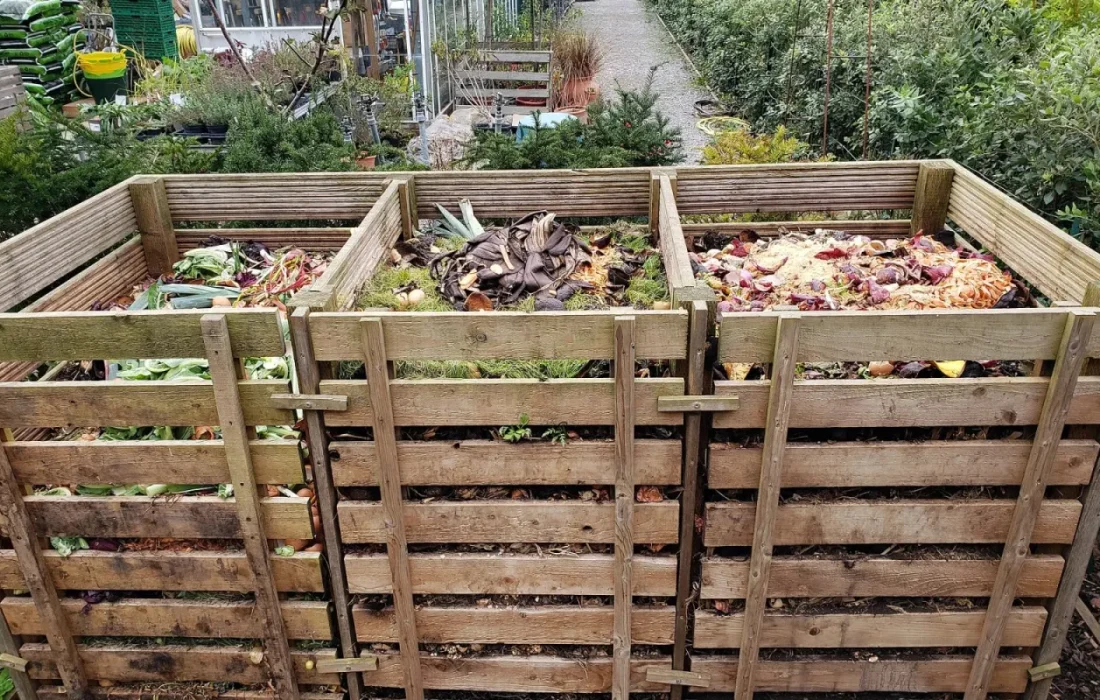
Every peel headed for the trash could bring a balcony pot to life.
Emily Carter
Balancing greens and browns
The balance between green and brown waste is the most important rule for odor-free compost. Greens are nitrogen sources such as vegetable and fruit peels and coffee grounds. Browns are carbon sources such as dry leaves, pieces of cardboard, newspaper and wood shavings. Earl recommends a ratio of one part green to two parts brown to start.
Meat, dairy, greasy food and pet waste should not go in the compost bin, because they cause odors and can attract pests. Cutting waste into small pieces speeds up decomposition. Stirring once a week keeps it aerated. If the bin is too wet, adding dry cardboard restores the balance; if it's too dry, add a little water.
Using your finished compost
Finished compost is a dark, crumbly material that smells like soil. It usually matures in three to six months. Earl says this time can vary with the season and temperature. You can use finished compost by mixing it into the soil of your balcony pots; making compost a third of your potting soil gives plants a nutritious mix.
| Topic | Sustainable Living |
|---|---|
| Highlights | plants, budget-friendly, minimalism |
| Reading time | 6 minutes |
| Written by | Emily Carter |
Key takeaways
- A small, ventilated bin with a tight lid is enough for a balcony.
- One part green to two parts brown waste prevents odor problems.
- Finished compost mixed into potting soil feeds your plants.
Plants such as basil, tomatoes, mint and strawberries thrive in soil enriched with compost. You can also make small bags of any compost you don't use and give them to neighbors or friends. Earl describes the process as household waste returning to nature. Starting with a small bin and expanding over time is wise for both learning and budget.



Leave a comment