





























































A first-year financial checklist for new entrepreneurs
Your first year in business is when your financial routines take shape. Here is a checklist to make it easier.

Table of contents
The excitement of starting a new business often pushes financial obligations into the background. Yet the first year is the most critical period, when your financial systems are set up and habits are formed. Get your paperwork, payment calendar and record-keeping habits right in this period, and the years that follow will be much easier. In this article we share a practical checklist new entrepreneurs can follow from formation to year end.
The first month after formation
The first job after formation is to open a business bank account and keep personal and business spending separate. Getting your tax certificate, setting up your statutory books and, if required, completing your e-invoicing applications are the other key tasks in this period.
If you will have employees, register as an employer for payroll and social security and file the new hire notice before each employee starts work. Make sure you have the permits and licenses your line of business requires. Decide from the outset how invoices, delivery notes and other documents will be issued and stored.
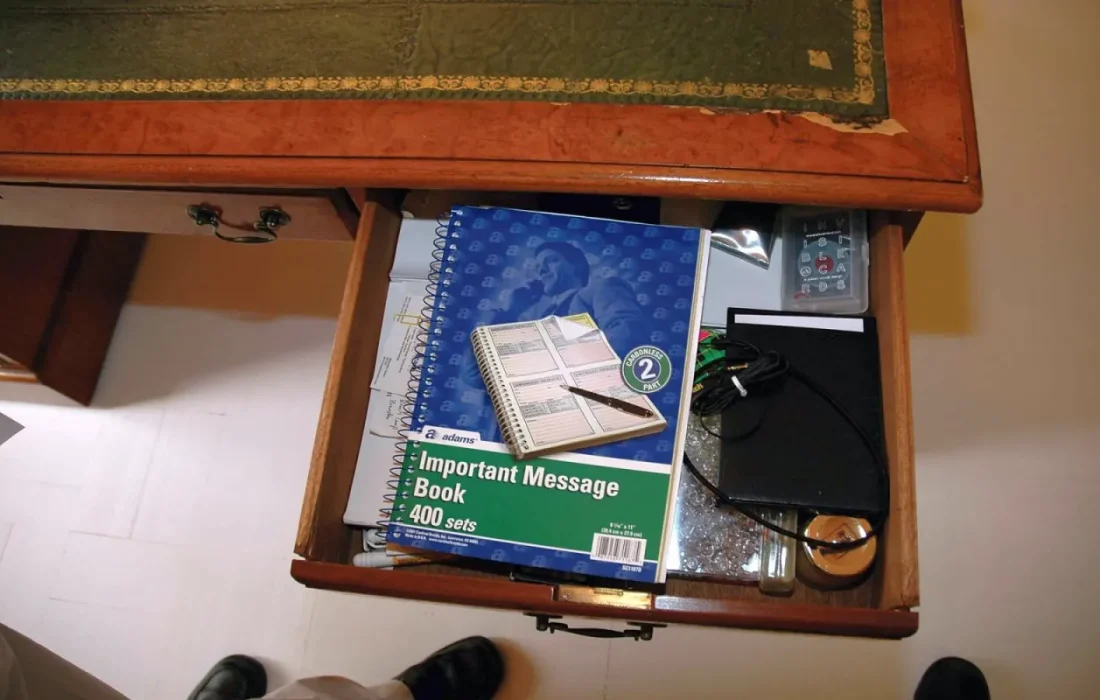
The routines you build in year one shape the years that follow.
Jake Morales
A regular monthly routine
Make it a routine to send your accountant all of the previous month's purchase and sales documents, bank statements and expense receipts in the first week of every month. Track tax assessments and due dates on a calendar, and never leave tax and social security payments until the last day.
Reviewing your monthly income, expense and cash flow summary is essential for seeing where your business is heading. Spotting uncollected receivables and unexpected costs early makes it easier to act. If you benefit from a relief such as the young entrepreneur exemption, check regularly that you still meet the conditions.
Getting ready for year end
As year end approaches, carry out an inventory count, update your fixed asset list and reconcile customer and supplier accounts. Year-end closing entries and valuations form the basis of your annual return. Make sure the documents for any major purchases made during the year are complete.
| Topic | Business and Startups |
|---|---|
| Highlights | entrepreneurs, tax calendar |
| Reading time | 6 minutes |
| Written by | Jake Morales |
Key takeaways
- Use separate bank accounts for business and personal spending.
- Make it a habit to hand in complete documents in the first week of every month.
- Prepare for year end with inventory counts and reconciliations.
Reviewing your financial statements with your accountant to plan for the coming year also sheds light on investment and growth decisions. If your revenue has passed the e-invoicing threshold, plan your switchover timeline too. This article is for general information only; check with your accountant about your own obligations.


2 Comments
Really useful piece, thank you for putting it together.
I had never thought about this side of it. Looking forward to a follow-up.