






























































Winter hair care: a gentle routine against breakage and static
Beanies, central heating and cold air can take a toll on your hair. Our hairstylist shows on video a simple routine to protect your hair through the winter months.

Table of contents
Many of us notice that our hair becomes drier, more brittle and more prone to static in the winter months. Hairstylist Sienna Barry says the main causes are dry indoor air, frequent blow-drying and friction. In our video, Barry explains how often to wash for your hair type, low-heat drying techniques and simple measures like a silk pillowcase at night. The routine focuses on the right habits rather than expensive products.
Adjusting how often you wash
Hairstylist Sienna Barry says how often you should wash your hair in winter varies from person to person, but washing too often can dry it out. Two or three washes a week is usually enough for dry or curly hair, while hair prone to oiliness may need washing a little more often. What matters is deciding based on what your scalp needs.
Noting that moisturizing, sulfate-free and gentle shampoo formulas are good choices, Barry also recommends that the water not be too hot. Hot water can strip hair of its natural oils. Using cool water for the final rinse can seal the hair cuticle and boost shine. Applying shampoo only to the scalp helps protect the ends.
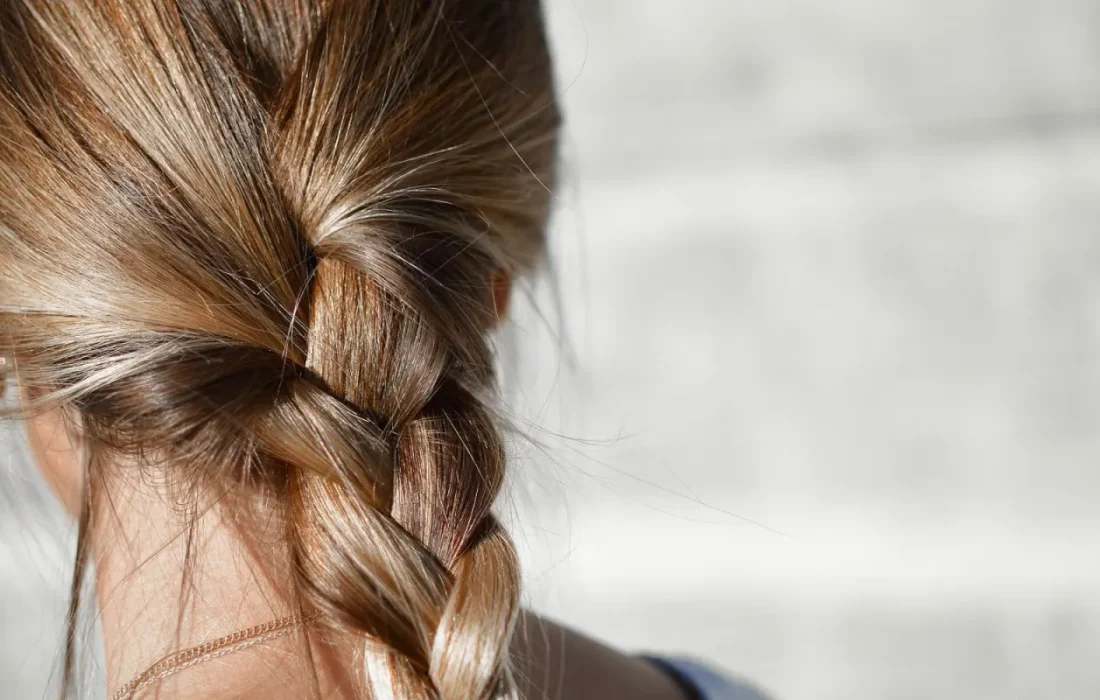
Healthy hair is best protected with a gentle touch.
Sarah Bennett
Cutting back on heat styling
Heat is one of hair's biggest enemies in winter. Barry recommends using a hair dryer on the lowest heat possible and holding it away from the hair. Gently squeezing and pressing hair with a towel instead of rubbing reduces breakage. If you have time to let it air-dry, avoid going out with wet hair and only put on a beanie once your hair is completely dry. These simple habits can make a noticeable difference to hair health in the long run.
If you use tools such as straighteners and curling irons, heat protectant spray is a must. It's also important to adjust the temperature to your hair type; fine and color-treated hair should stick to low heat. Barry recommends using these tools no more than once a week. As an alternative, heatless styling methods such as rollers or braids can create waves.
Protective touches for the night
The night routine is often overlooked in winter hair care. Barry says a silk or satin pillowcase reduces friction, easing static and breakage. Tying hair up in a loose braid or with a silk scrunchie also keeps the ends from tangling. Small changes can help keep your hair softer, livelier and more manageable all winter, and you can start with your bed.
| Topic | Beauty |
|---|---|
| Highlights | winter, minimalism, budget-friendly |
| Reading time | 5 minutes |
| Written by | Sarah Bennett |
Key takeaways
- Adjust how often you wash to your hair type, and use lukewarm water.
- Cutting back on heat and using a heat protectant prevents breakage.
- A silk pillowcase and a loose braid reduce friction at night.
A moisturizing mask once a week can add moisture and softness to the hair. For the ends, a small amount of hair oil or leave-in conditioner is enough. Barry adds that choosing lined beanies reduces friction between the wool and your hair. All these steps take little time and rely on regular habits rather than expensive products.
What do you think about this post?

Leave a comment