



























































Storing books properly: damp, sunlight and shelf order
Yellowing pages, warped covers, cracked spines... Our antiquarian bookseller explains how to keep your bookshelf as good as new for years.
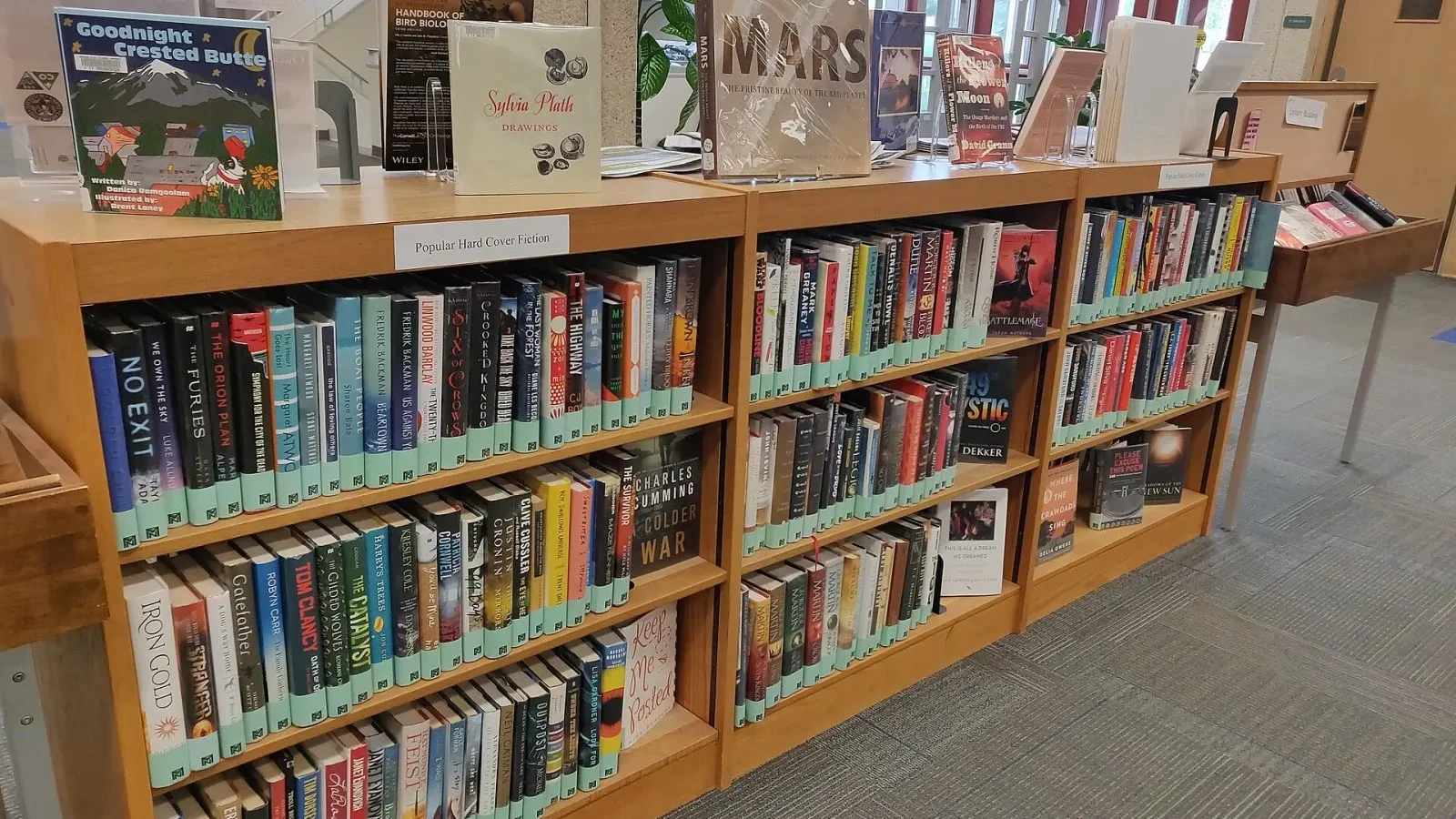
Table of contents
Books are patient objects; in the right conditions they can live for hundreds of years. But on the wrong shelf, against a damp wall or in front of a sunny window, they yellow, warp and fall apart within a few years. The thousands of books that have passed through our hands over the years as antiquarian booksellers have taught us that book care really comes down to a few simple rules. In this post, we've gathered practical tips you can use to protect your bookshelf at home.
Damp, heat and sunlight: a book's three enemies
Books have three great enemies: damp, heat and direct sunlight. Damp makes paper ripple, covers warp and, worst of all, mold grow. Avoid keeping your books on shelves against exterior walls or bathroom and kitchen walls; these walls get cold and damp in winter. Keeping the shelf a couple of inches away from the wall lets air circulate behind it. Damp spaces like basements and storerooms are the riskiest places for books; if you have no choice, store them in closed, ventilated boxes.
Heat and sunlight are just as harmful as damp. On shelves right next to a radiator or stove, book spines dry out and crack. In front of windows that get direct sun, covers fade and pages yellow within a few months. Placing your bookshelf against a wall out of the sun, or hanging sheer curtains at the windows, largely solves the problem. The ideal environment is one where people feel comfortable too: a mild, dry, airy room. And the first rule of looking after a book is to keep reading it.
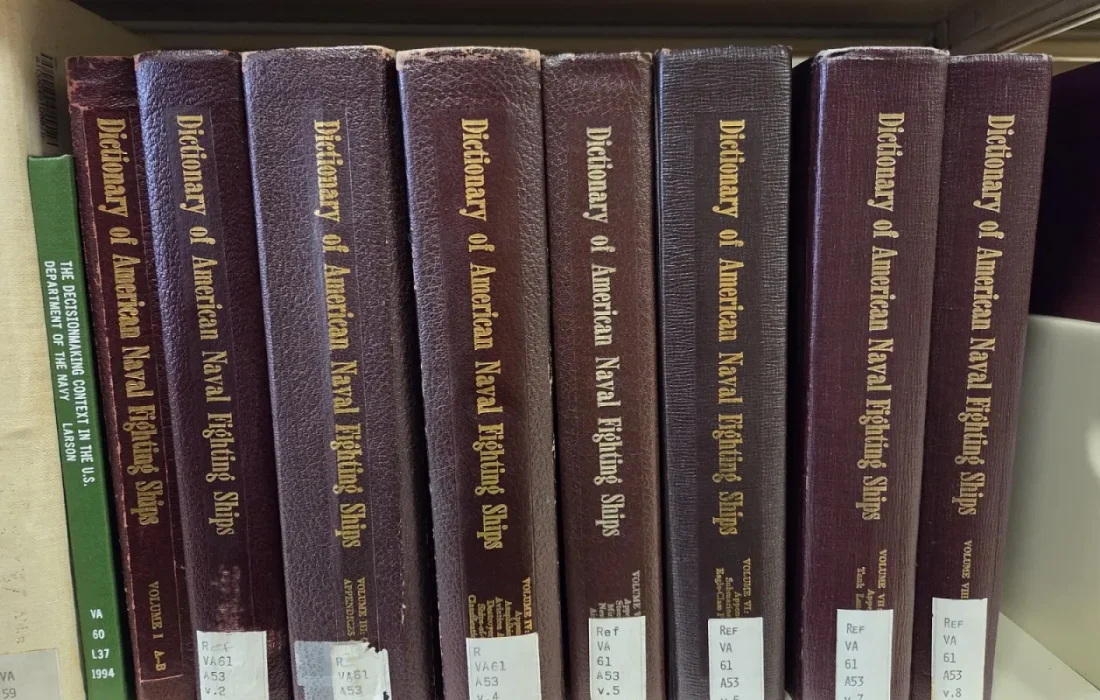
The first rule of looking after a book is to keep reading it.
Ethan Brooks
Shelf order: upright, flat and room to breathe
Shelf order directly affects how long books last. It's best to shelve books upright, leaning lightly against one another; books packed too tightly can tear at the spine when pulled out, while books shelved too loosely lean over and bend. Using bookends at the ends of shelves prevents this. When taking a book off the shelf, gently pushing back the books on either side and gripping it by the middle, rather than pulling it by the top of the spine, keeps the spine from tearing over time. Not letting books stick out past the shelf edge also protects spines and corners from knocks.
Large, heavy books should be stored flat rather than upright. When atlases, art books and thick hardcovers stand upright, their own weight starts pulling the pages away from the spine. Laying them flat on the bottom shelf, stacked no more than three or four high, is the safest method. Take care not to put anything between the pages except a bookmark; pressed flowers, newspaper clippings and scraps of paper leave stains on the pages over time. Dusting your books once a month with a soft brush also helps a great deal.
A short care guide for old and valuable books
Old and valuable books need extra care. Air out old books bought from a secondhand dealer or inherited from family thoroughly first; if they smell musty, leave the book open for a few days somewhere dry and shady. Make sure your hands are clean and dry when turning the pages; the oil in fingerprints leaves stains on paper over time. Never stick torn pages with tape; tape yellows over time and leaves stains that are very hard to repair. Use acid-free repair tape instead, or consult a specialist.
| Topic | Bookseller Notes |
|---|---|
| Highlights | book care, bookseller pick, fiction |
| Reading time | 6 minutes |
| Written by | Ethan Brooks |
Key takeaways
- Keep your bookshelf away from exterior walls, heat sources and direct sunlight.
- Shelve books upright and lightly leaning, and store large ones flat.
- Repair torn pages with acid-free materials, not tape.
For hardcovers and special editions, book boxes or protective sleeves made of acid-free paper are a good investment. We also put the hardcovers we sell in sleeves for our collector readers. If a treasured book of yours has been damaged, we offer a free initial assessment in our small workshop next to the antiquarian shelf; most problems can be solved with simple care. Remember, a well-kept book goes on being read long after you, and who knows whose life it will touch. Our workshop is open every weekday afternoon; no appointment needed, just bring your book.

2 Comments
Really useful piece, thank you for putting it together.
I had never thought about this side of it. Looking forward to a follow-up.