






























































Engineering degrees surge back in university applications
This year's placement results show a renewed interest in engineering. Software and AI-focused programs top the list. Academics are reading the trend in different ways.
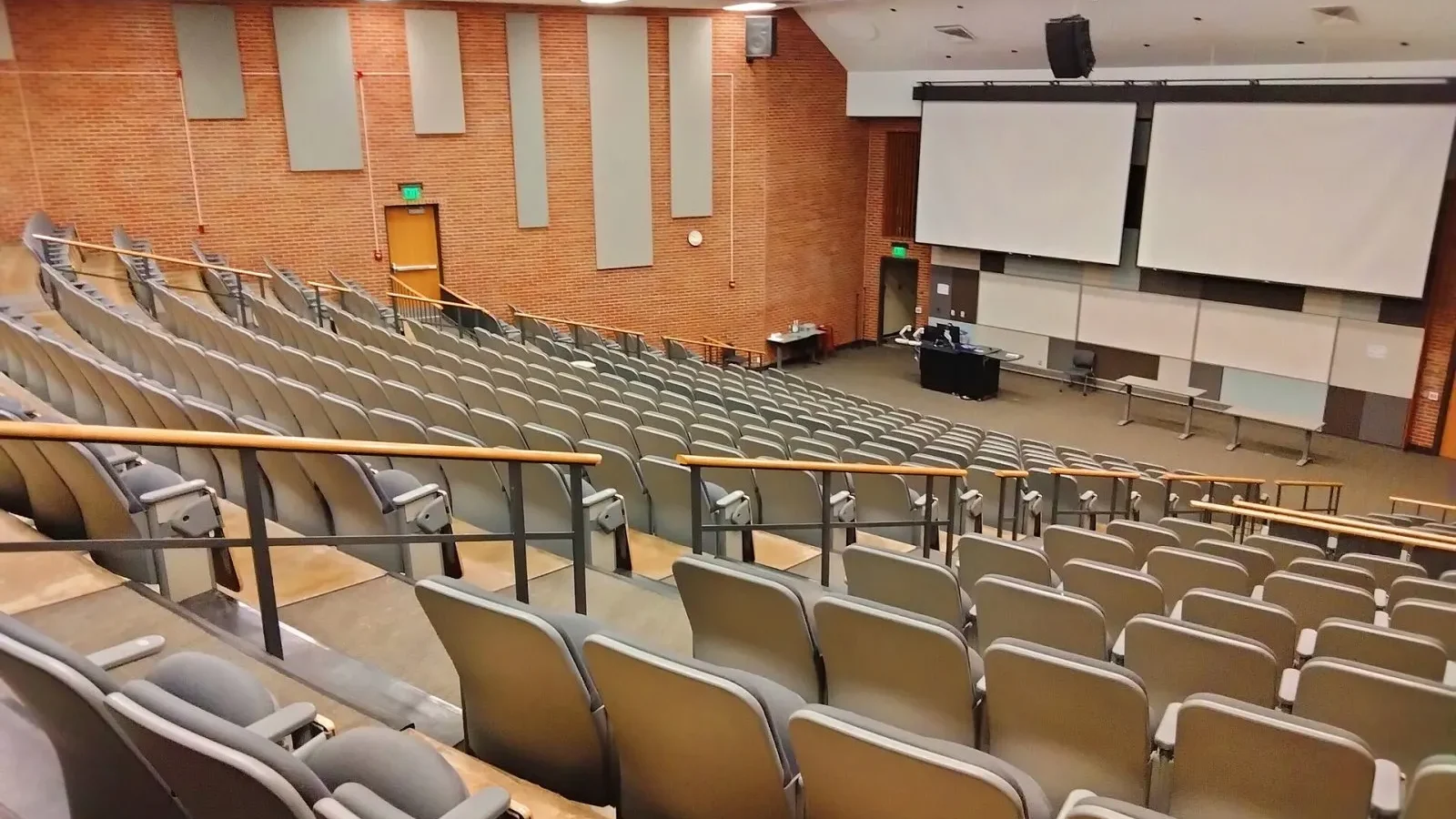
A detailed analysis of university placement results shows that interest in engineering, which had been declining for several years, is picking up again. Places on computer, software and AI engineering programs in particular were filled by first-choice applicants. Academics say the trend is directly linked to shifting demand in the job market, but warn that a lack of interest in the basic sciences could pose a risk in the long run. Some universities are also preparing to launch new programs to meet the demand.
Which programs stood out?
A detailed analysis of placement results shows that engineering programs climbed markedly in applicants' rankings compared with last year. Computer engineering, software engineering and AI engineering were the programs candidates most often put at the top of their lists. Electrical and electronic engineering and mechanical engineering also shared in the rise. The increase in applicants was most visible at public universities.
Guidance counselors say the rise has been driven by job market expectations and news about hiring in the software industry. Many high school students said they attended careers events during the application period and spoke with industry professionals. Families, too, favored fields that offer more concrete career paths for their children's future. The growing number of candidates attending university open days confirms the same trend.

Young people are no longer choosing a job title, but a skill with a future.
Sarah Bennett
How full are the places?
Data on filled places show that the most popular programs were filled almost entirely by first-choice applicants. However, some engineering places at private universities reportedly remained partly empty. Differences in minimum entry scores reflect the balance of preferences between public and private institutions. Education consultants remind candidates to look not only at scores but also at each program's curriculum and laboratory facilities.
Newly launched interdisciplinary programs are also among those attracting interest. Fields such as biomedical engineering, data science and mechatronics are starting to catch the eye of young applicants. Universities reportedly plan to increase the number of places on these programs next year, but finding qualified faculty is said to be the biggest constraint on that plan.
What academics say
Academics view the rise from two angles. Some say the interest in engineering is welcome news for the country's goals in technology production, while others warn that a lack of interest in the basic sciences could weaken research capacity in the long run. The fact that places on physics, chemistry and mathematics programs are going unfilled is among the data fueling this concern. Some faculty members say the imbalance could make it harder to train qualified researchers in the years ahead.
| Topic | Education |
|---|---|
| Highlights | university, artificial intelligence, school |
| Reading time | 6 minutes |
| Written by | Sarah Bennett |
Key takeaways
- Computer, software and AI engineering top the preference lists.
- Places at public universities were largely filled by first-choice applicants.
- Academics warn of low interest in the basic sciences.
Tracking graduates' employment outcomes also matters. University career centers are starting to report regularly on how long it takes graduates to land their first job and which sectors they go into. Experts advise candidates to choose programs that suit their own talents and interests rather than simply the most popular fields, and to talk to a program's graduates before deciding. Universities, meanwhile, are looking for ways to make the basic sciences more attractive through additional scholarships and research funding.
What do you think about this post?


Leave a comment