



















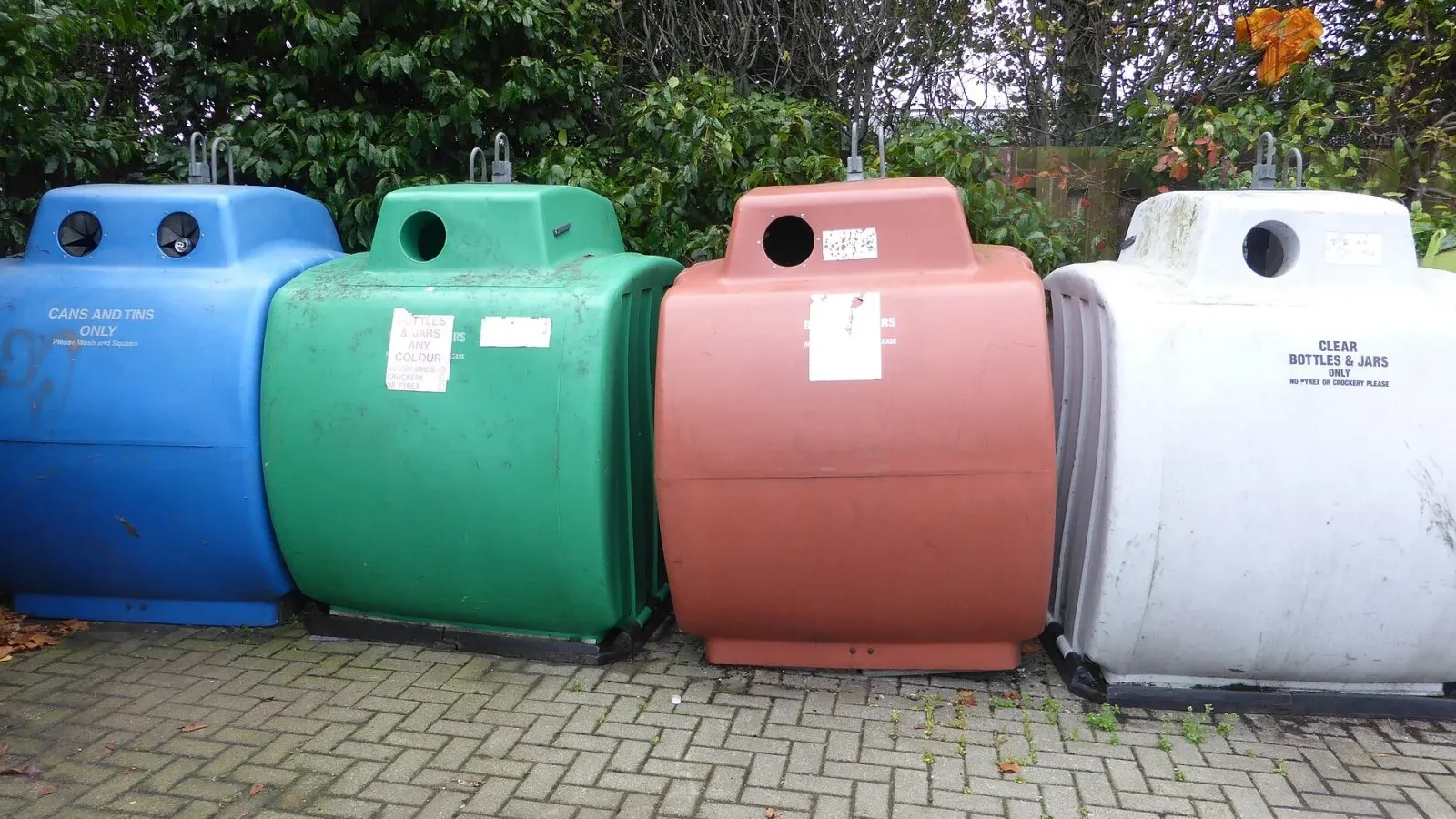
Smart recycling comes to neighborhoods: bins report when they are full
Recycling bins fitted with sensors have been installed in neighborhoods as part of a city pilot project. The system also optimizes the routes of collection trucks.
Table of contents
As part of a pilot project launched in line with the city's zero-waste goal, smart recycling bins fitted with sensors have gone into service in five neighborhoods. The bins report how full they are to a control center in real time, so collection trucks only go where they are needed. Project officials say this will cut both fuel consumption and truck traffic. Residents can find the nearest bin through a mobile app and earn points for the waste they recycle. If the pilot is successful, it will be rolled out across the entire district.
How does a sensor-equipped bin work?
The sensor-equipped bins installed in five neighborhoods as part of the pilot project have separate compartments for paper, plastic, glass and metal waste. A sensor inside each bin measures how full it is and sends the data wirelessly to a central system. When a bin reaches a certain level, the system automatically generates an alert and notifies the team responsible for the area.
Each bin has a small energy unit supported by a solar panel. Officials said the devices run on low power and are serviced regularly. The system will also be upgraded with sensors that can detect when the wrong type of waste is thrown away. The city will share the project's first results at the end of the year. The project's technical team added that in the coming months the bins could also be fitted with sensors that measure weight.
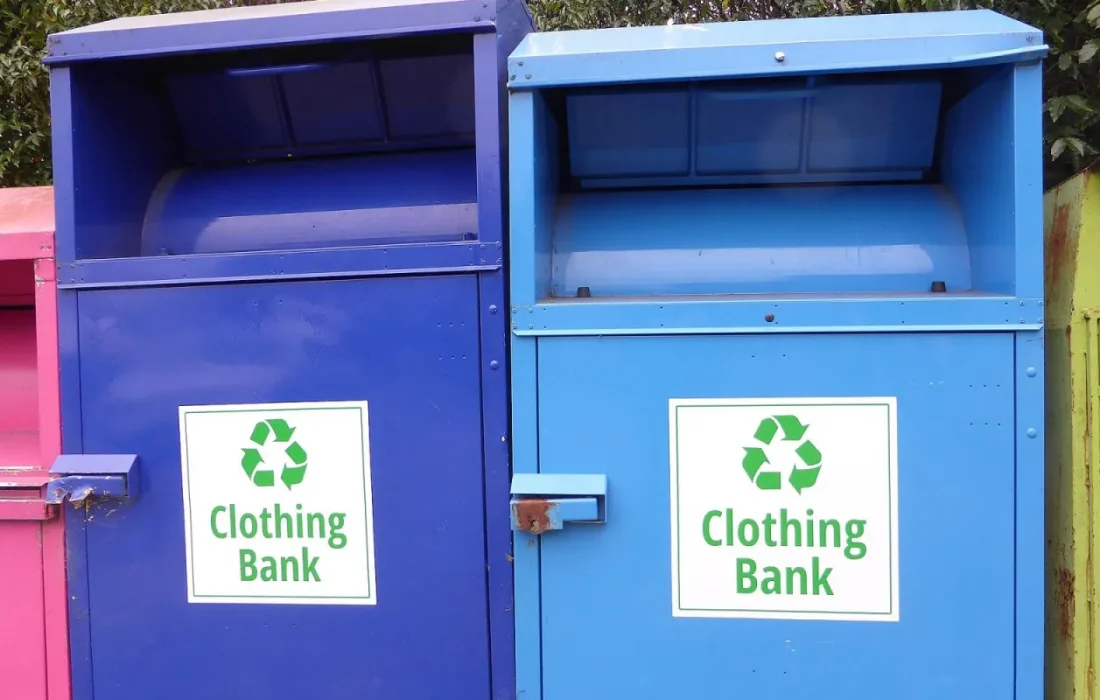
Recycling is a citywide movement that starts with the bin in your kitchen.
Ethan Brooks
Shorter collection routes
Collection truck routes are no longer planned according to a fixed schedule, but based on data from the bins. Because trucks only go to bins that are full, unnecessary trips are reduced. Project officials say a significant drop in fuel consumption and the number of trips was observed in the first weeks, which has also had a positive effect on traffic. Thanks to the system, some collection runs that used to take place at night have been moved to daytime hours, and staff schedules have been reorganized accordingly.
Another advantage of route optimization is fewer overflowing bins and less scattered trash. Because full bins are emptied on time, there are no unpleasant smells or unsightly mess in the area. Sanitation workers also say their workload is more evenly distributed. The city aims to use the system's data in urban planning work as well. The data is expected to show which types of waste are produced most in which neighborhoods and to guide awareness campaigns.
What residents can do
Residents can use a mobile app to find the nearest bin, check how full it is and earn points for the waste they recycle. Points can be redeemed as discounts at local businesses partnering with the city. The app uses location data only to find bins, and only with the user's consent. The app also includes a progress bar that tracks users' recycling habits and a monthly summary of their savings.
| Topic | Environment |
|---|---|
| Highlights | city council, climate, artificial intelligence |
| Reading time | 4 minutes |
| Written by | Ethan Brooks |
Key takeaways
- Sensor-equipped bins report how full they are to a control center in real time.
- Collection trucks only go to full bins, cutting fuel consumption.
- Residents use a mobile app to find bins and earn points.
What residents need to do is sort their waste correctly. Officials point out that clean, dry packaging is suitable for recycling, while greasy or dirty packaging should go in a separate bin. Information campaigns are being run for neighborhood offices and schools. If the pilot is successful, it will be rolled out across the entire district. The district council also announced that, if successful, sensor-equipped bins will be placed first at busy locations such as schools, hospitals and marketplaces.
What do you think about this post?


Leave a comment