



























































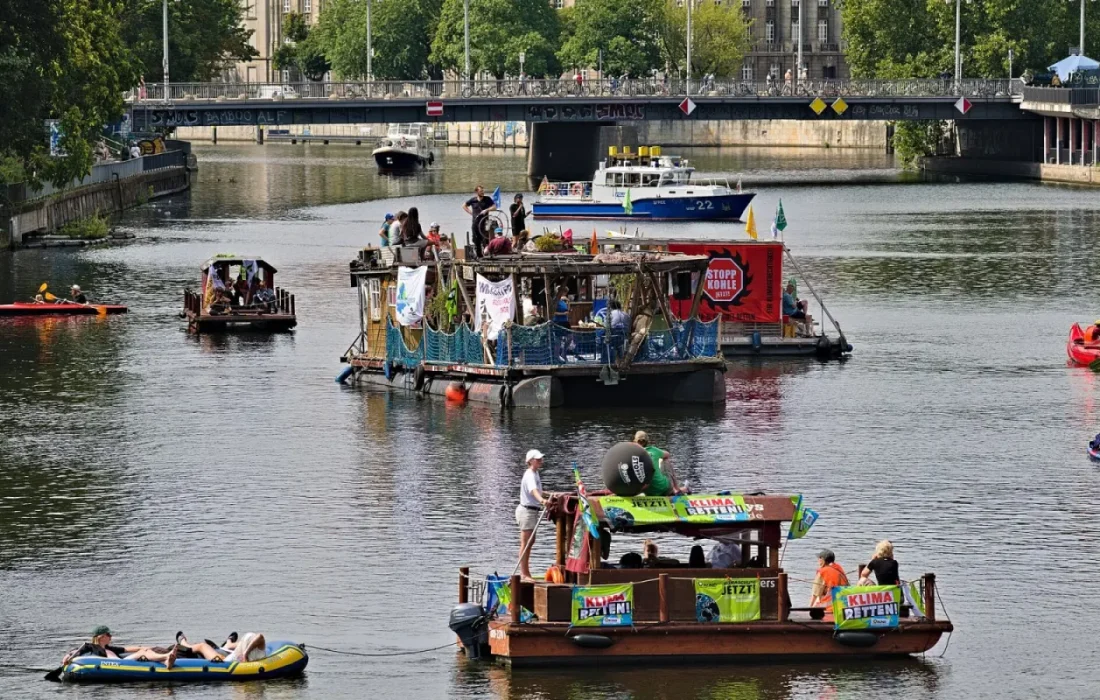
European climate summit ends with pledges seen as falling short
New emissions reduction targets were announced at the week-long summit. Environmental groups, however, argue that the timeline falls short of what scientists recommend.
Table of contents
A week-long climate summit in Europe ended with a joint declaration by the participating countries. The declaration included commitments to phase down the use of fossil fuels over the next decade and to increase investment in renewable energy. Environmental groups, however, criticized the outcome, saying the targets are non-binding and lag far behind the timeline recommended by climate scientists.
Decisions taken at the summit
In the joint declaration issued at the end of the week-long summit, participating countries announced that they had adopted new targets for cutting greenhouse gas emissions. The text calls for a gradual phase-down of coal and a significant increase in renewable energy capacity over the next decade. The declaration also requires countries to update their national plans at regular intervals.
Climate finance was also debated at length at the summit. The amount of funding developed countries will provide to developing countries, and how it will be transparently reported, made for some of the tensest moments in the negotiations. The final text agreed to set up a joint mechanism for tracking these funds. The closing declaration also stated that financial flows should be assessed every year by an independent body.
The planet's patience is shorter than any diplomatic timetable.
Ethan Brooks
What developing countries are asking for
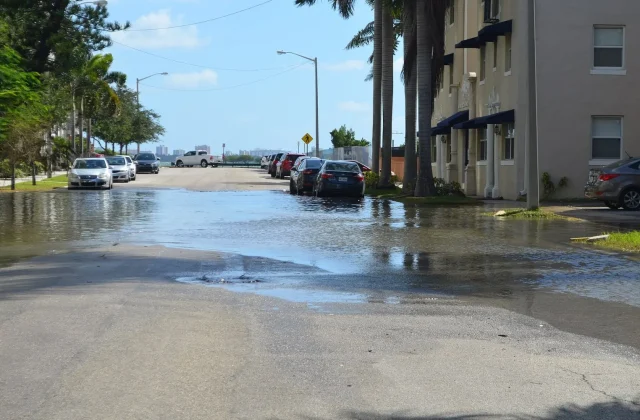
Developing countries called for technology transfer and affordable finance so they can cut emissions without sacrificing their development priorities. Delegations stressed that historical responsibility differs and that not everyone should be expected to move at the same pace. Representatives of small island states reminded the summit that rising sea levels are an existential threat for them.
These differing perspectives at the negotiating table meant the language of the final text remained soft. Diplomats acknowledge that non-binding wording makes the text more acceptable but offers no guarantee of implementation. Many delegations believe the real test will come with the concrete steps reflected in national policies after the summit. Some delegates say this flexibility makes it easier for countries to act according to their own priorities, but increases the risk of drifting from shared goals.
Civil society reacts
Environmental groups argue that the announced timeline falls short of scientific recommendations and contains no binding enforcement. In a statement outside the summit, civil society representatives criticized the lack of a clear date for ending fossil fuel subsidies. Youth movements, meanwhile, held a silent march in front of the summit venue, calling for bolder decisions.
| Topic | World |
|---|---|
| Highlights | climate, fuel prices, breaking news |
| Reading time | 7 minutes |
| Written by | Ethan Brooks |
Key takeaways
- The joint declaration calls for a fossil fuel phase-down and investment in renewables.
- Developing countries called for finance and technology transfer.
- Environmental groups say the targets are non-binding and insufficient.
Some business representatives, on the other hand, welcomed the declaration for the predictability it offers investors. They said a clear roadmap for the energy transition could speed up private sector investment. Experts say how countries translate their targets into law and budgets in the coming months will determine the real direction of climate policy. Observers expect countries to publish progress reports before the next summit.
What do you think about this post?


Leave a comment