






























































The next generation of foldables: Have the hinge and crease problems been solved?
We opened and closed the latest foldable phones for three weeks. Here is where durability, screen creasing and battery life stand today.
Table of contents
Foldable phones have come a long way since they first launched. We used the latest models as our main phones for three weeks and opened and closed each of them thousands of times. The hinge mechanisms are noticeably slimmer and sturdier, and the crease in the middle of the screen is barely visible unless you hold it up to the light. Battery life has caught up with traditional flagships, but making it to the evening can still be tough if you use the large inner screen heavily. Prices are starting to fall, and these devices make sense for users who value multitasking and media consumption.
Is the hinge finally sturdier?
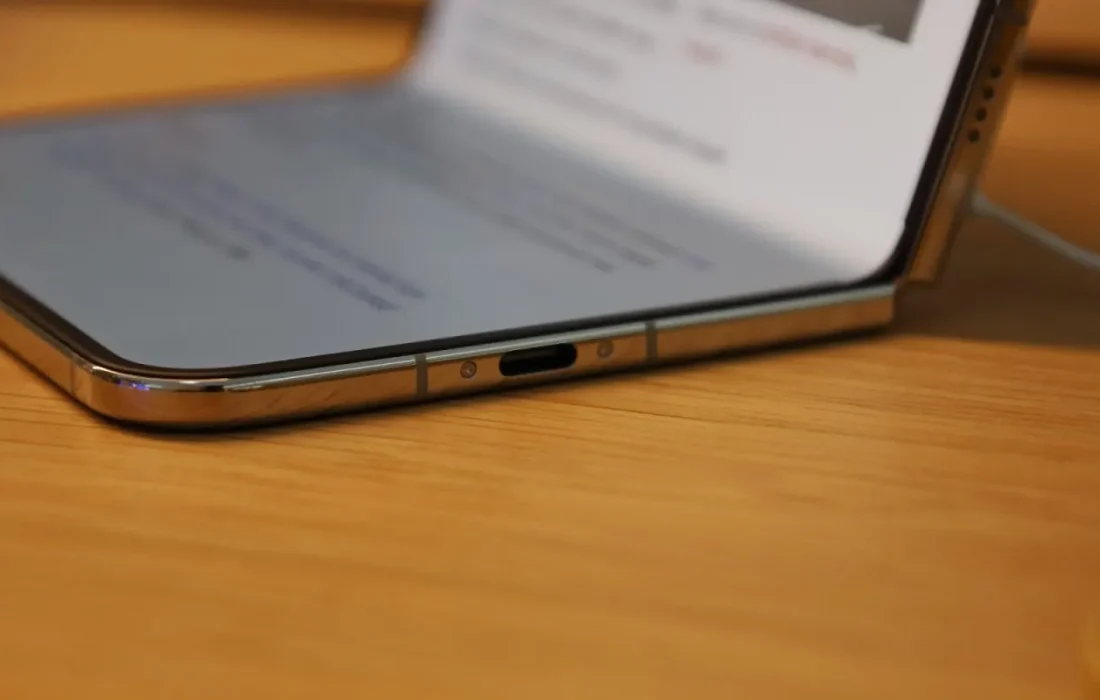
On the latest foldables, the hinge is far slimmer and sturdier than on the first models. Over three weeks, we opened and closed each device an average of 150 times a day, and in the end saw no loosening, creaking or stiffness on any of them. Manufacturers have also reduced the gap between the two halves to almost nothing when closed, which lowers the risk of picking up dust in your pocket.
Still, not everything is perfect. The tiny gaps around the hinge remain vulnerable to fine sand and dust particles, so you need to be careful in places like the beach. Water resistance ratings offer peace of mind in the rain, but many models lack dust protection. To truly gauge the hinge's lifespan you need a year of use; we can only share our early impressions.
Foldables are no longer an experiment; they are a mature option.
Mark Ellison
The crease and the protective layer
On the new models, the crease in the middle of the screen goes unnoticed unless you hold it to the light at a certain angle. You can still feel the dip with a fingertip, but it is about half as deep as on earlier generations. Thanks to the flexible glass layer, the surface withstood light pressure from a fingernail; even so, we recommend keeping it away from sharp objects.
The golden rule with these devices is not to remove the factory-applied protective layer. If its edge starts to lift, the best move is to go to a service center; trying to replace it yourself can damage the screen beyond repair. In our tests, we saw slight lifting at the edge of the layer on two devices, but it never affected use. That's why screen protection is one of the first things to consider when buying a foldable.
Who should buy a foldable?
A foldable isn't a sensible investment for everyone. For users who spend the day reading documents, reviewing spreadsheets, running two apps side by side or watching video on a big screen, the inner display makes a real difference. If you only use your phone for messaging and social media, you may not gain much over a conventional phone.
| Topic | Phones |
|---|---|
| Highlights | smartphone, review, comparison |
| Reading time | 8 minutes |
| Written by | Mark Ellison |
Key takeaways
- The hinge is slim and sturdy, but most models lack dust protection.
- The crease is barely visible; the factory layer should never be removed.
- Worth it for multitasking and big-screen fans, but the price is high.
On price, these devices still sit above the flagships. Factoring in service and screen repair costs, insurance or an extended warranty should be part of the budget. Smaller flip-style models are more affordable and fit more comfortably in a pocket, while larger book-style models are ideal for multitasking. Before deciding, we recommend trying one in a store and honestly assessing your daily habits.
What do you think about this post?

2 Comments
Really useful piece, thank you for putting it together.
I had never thought about this side of it. Looking forward to a follow-up.