



















The Tactics Board: breaking down the week’s matches
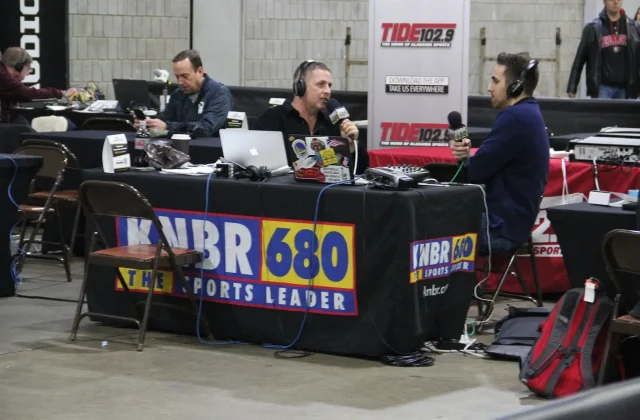
In this episode of our podcast series, we take a tactical look at the week's standout matches with our guest, a former player turned head coach. Pressing, transitions and set pieces are on the table.
Table of contents
In the new episode of The Tactics Board, we analyze the week's matches in detail with our guest Lewis Archer, who moved into coaching after years playing in the Premier Division. We discuss both teams' game plans in the derby, the battle for numerical superiority in midfield and the substitutions that changed the outcome. We also look at how the high-pressing approach of recent years has shaped football in the league. At the end of the episode, we answer questions from our listeners.
The derby's tactical summary
We spent the first half of the episode on the derby. Lewis Archer noted that both teams packed the midfield in the first half to cut the opponent's passing lanes, which made for a slow game. In his view, the turning point came when the home side pushed their wing-back higher in the second half to create numerical superiority. Our guest backed this up with movement diagrams drawn on the board.
Our guest also highlighted the timing of the substitutions. He said bringing on the young striker later wore down the opposing defense, showing how effective quick feet are against a tired back line. The positions we showed on the board during this analysis clearly laid out the tactical story of the derby. At this point, Archer underlined how decisive squad depth is in modern football.

In modern football, the moment you lose the ball, your attack begins, not your defense.
Mark Ellison
The rise of pressing football
In the second part, we looked at the high-pressing approach that has grown in recent years. Archer explained that pressing the opponent immediately after losing the ball both speeds up ball recovery and prevents the opponent from building a counter. But he added that the physical toll of this approach is very high, which makes player rotation critical. In this part, our guest used statistics to show how winning the ball in the opponent's half affects goal production.
Saying that a pressing culture is spreading in the league, our guest argued that it should be taught at academy level. Young players, he said, need to learn not only individual technique but also how to move as a team from an early age. We also examined sample situations from two different teams on this topic. He added that clubs should work more closely with their medical teams on the physical side of the issue.
Why set pieces matter
In the final part, we focused on how set pieces affect results. Pointing out that three of the week's goals came from corners or free kicks, Archer explained that these situations are not luck but the product of routines practiced for weeks. He said the decision whether to defend man-to-man or zonally has a direct impact on the result. Our guest noted that even a small mistake in these situations shows up directly on the scoreboard.
| Topic | Football |
|---|---|
| Highlights | head coach, Premier Division, derby |
| Reading time | 3 minutes |
| Written by | Mark Ellison |
Key takeaways
- The derby's turning point was the numerical superiority created by the wing-back pushing forward.
- High pressing is spreading across the league, but it requires rotation.
- Three of the week's goals came from set-piece routines practiced for weeks.
The questions sent in by our listeners included topics such as the impact of short corners and how goalkeepers deal with corners. Archer answered each question with examples on the board. At the end of the show, we remind you that you can write to us with the matches you'd like analyzed next week, and we recommend using our podcast player to listen to the episode. Archer said the short corner option should also be chosen based on the opponent's defensive setup. That answer was the most popular part of the episode.
What do you think about this post?
2 Comments
Really useful piece, thank you for putting it together.
I had never thought about this side of it. Looking forward to a follow-up.