













































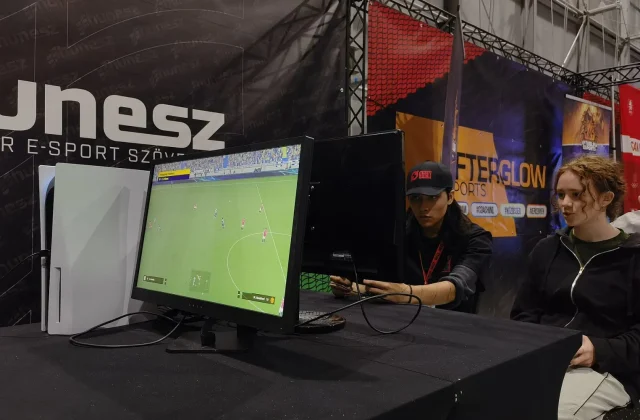


A roadmap for aspiring pros: From amateur leagues to academy teams
Climbing the ranked ladder is only the start of the road to going pro. We've put together a guide of realistic steps for young players and their parents.
Every year, thousands of young people jump into ranked matches dreaming of becoming esports pros. But reaching the top of the ladder isn't enough on its own to open a club's door. We spoke with coaches who run academy tryouts, amateur league organizers and pro players to map out a realistic path. Our guide covers adapting to team play, communication skills, regular training habits and the importance of your online identity. For underage players and their parents in particular, we also go into detail about balancing school, healthy screen time and what to watch out for in contract negotiations. Remember: on this journey, no ranking matters more than your schooling and your health.
In this article
- Going beyond the ranked ladder
- Amateur leagues and trial matches
- Education, family and a healthy balance
Going beyond the ranked ladder
The most common mistake young aspiring pros make is treating their ranked placement as the only measure of success. Coaches who run academy tryouts say that even players at the very top of the ladder get cut because they can't adapt to a team environment. A player who excels in solo ranked matches has to accept their role on a team, compromise on their own playstyle and stick to a shared plan. For many talented young players, this transition turns out to be far harder than expected.
Another thing coaches look for in tryouts is a player's in-game communication. Players who can relay information in a short, clear and calm way are preferred, even if they're slightly weaker mechanically. How you react after a loss is also closely watched. Players who post disrespectful things about opponents or teammates on social media are known to drop quickly off clubs' lists. Your online identity is now an integral part of your résumé, and clubs examine it carefully.

Coaches look at your rank, but what keeps you on the team is how you communicate.
Ethan Brooks
Amateur leagues and trial matches
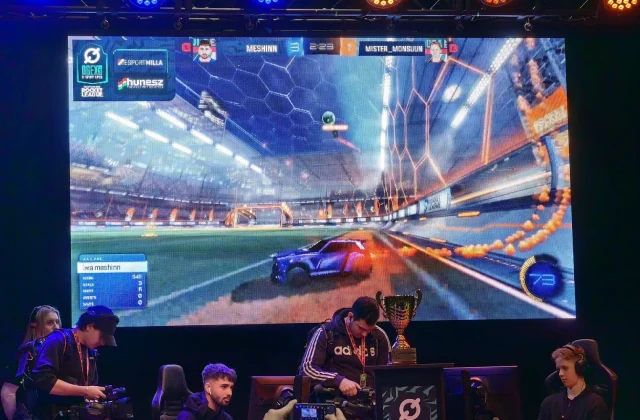
The best way to move beyond ranked matches is to join amateur leagues. Weekly and monthly amateur tournaments are held regularly for many games. These tournaments not only give you experience playing as a team but also offer an important showcase for catching the eye of clubs' scouts. When putting together an amateur team, you need players with complementary roles who can show up for regular practice and share a common goal.
Clubs usually offer trial matches to players who stand out in amateur leagues. In these trials, the player plays a few scrims with the academy team while the coaches assess their performance. The common advice for young players going through a trial is not to get too nervous and to play their own game. And getting a negative answer after a trial doesn't mean the end of a career; many pro players say they were rejected in their first trials and learned a lot from the experience.
Education, family and a healthy balance
The dream of going pro should never come before education. Most clubs require academy players to stay in school and schedule practice around their classes. Coaches point out that a pro career lasts only a few years on average, and that education matters a great deal afterward. Having a diploma also makes it much easier to move into fields such as coaching, analysis or broadcasting when a playing career ends. That's why the balance between school and gaming should be set from the very start.
| Topic | Esports Careers |
|---|---|
| Highlights | career, academy, roster |
| Reading time | 9 minutes |
| Written by | Ethan Brooks |
Key takeaways
- Clubs look at communication and team fit more than ranked placement.
- Amateur leagues are the most important showcase for catching scouts' attention.
- Staying in school and consulting health professionals are the foundation of a career.
Family support also plays a critical role on this journey. Contracts for underage players must always be signed with parental consent, and legal advice should be sought when needed. It's also important to watch out for issues that come with long hours at the screen, such as eye strain, poor posture and irregular sleep. Young people experiencing these kinds of problems, and their families, are strongly advised to consult a health professional. A balanced life is the foundation of a long career.
What do you think about this post?
Leave a comment